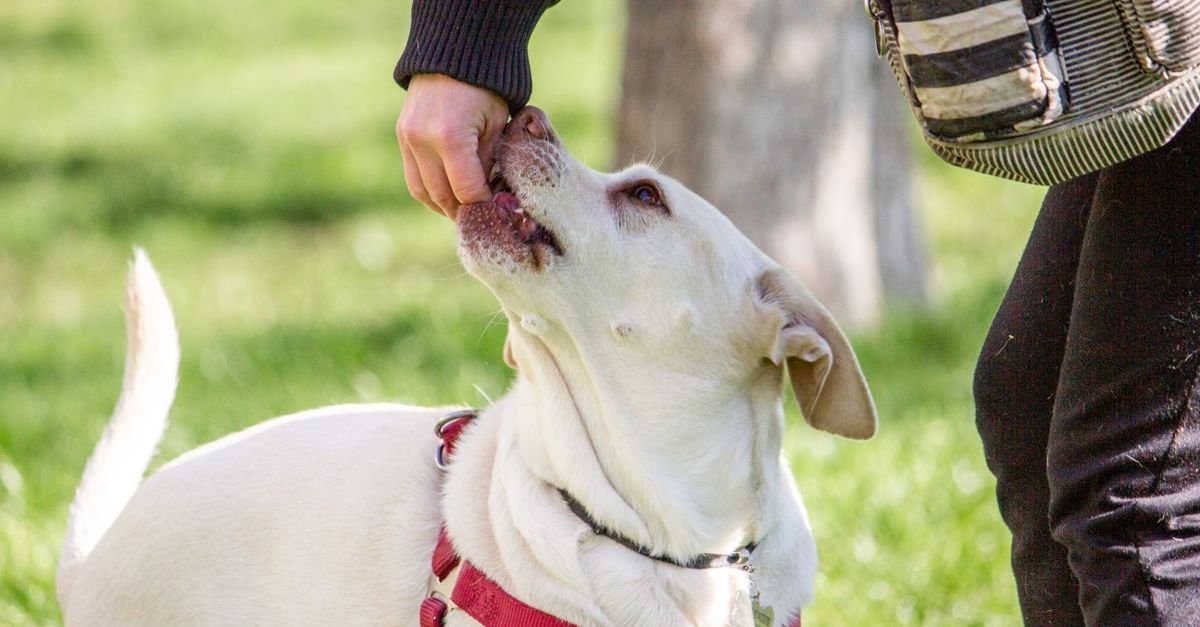
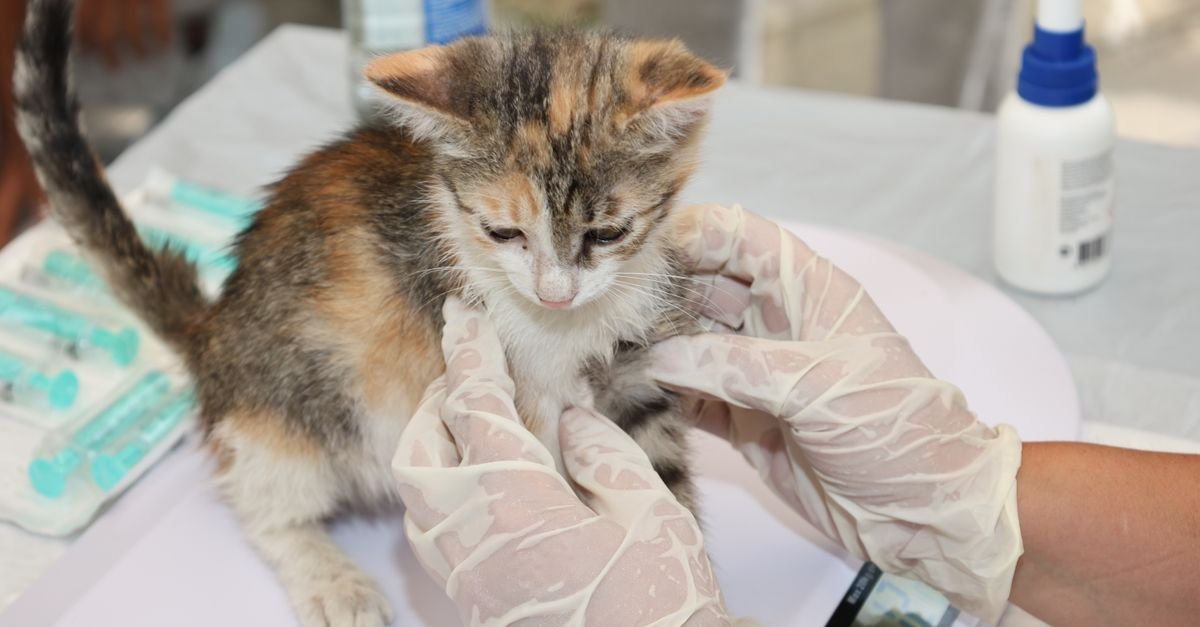
A puppy or kitten's first vet visit is built around history-gathering and planning, not just a single checkup. The veterinarian uses it to establish a health baseline, review any records you bring, and map out a vaccine and parasite-prevention schedule for the rest of the first year.[1] [2] That's the main thing that separates it from a routine follow-up wellness exam: the veterinarian is establishing a baseline at the new practice while reviewing available prior records, so what you bring and what you can tell the vet directly shapes how complete that first assessment can be.
What to Bring
The single most useful thing you can bring is paperwork. If your puppy or kitten came from a breeder, shelter, or rescue, bring any medical records, prior vaccination history, and information about the parents' health history if you have it.[3] [1] If your pet is already microchipped, bring the chip number and registry information.[1]
- Any medical or vaccination records from a breeder, shelter, or previous owner
- Microchip number and registry details, if applicable
- A written list of questions or concerns you want to raise
- A carrier or crate lined with a towel or shirt that smells like home, for comfort[3]
- A familiar blanket or toy to help your pet feel at ease[1]
Writing down your questions ahead of time is worth doing deliberately. It's easy to forget what you meant to ask once you're in the exam room, and the veterinarian is relying on you to flag anything unusual at home since this visit establishes the baseline for future comparisons.[3]
What Happens During the Exam
Expect a full nose-to-tail physical exam: eyes, ears, nose, mouth, skin, coat, and teeth, plus listening to the heart and lungs and feeling the abdomen, joints, and muscles.[1] For puppies specifically, this exam also screens for congenital issues such as a heart murmur or hip dysplasia.[3] Because this is the first time the vet has seen your pet at the new practice, this exam becomes the baseline that later wellness visits get compared against.[2]
Parasite screening is a standard part of this visit, since puppies and kittens are more vulnerable to parasites while their immune systems are still developing.[4] [1] A stool sample is often checked for puppies, and some clinics administer deworming medication to puppies even with a negative result, since parasite eggs aren't always detected on a single test.[3] Any decisions about deworming medication or dosing are something your veterinarian will determine directly during the visit.
Why the First Visit Sets Up the Whole Care Plan
This is the part that's easy to underestimate: the first visit isn't just about catching problems, it's where the vaccine and preventive care schedule for the next several months gets built. If your puppy or kitten already has some vaccines, the vet reviews those records and plans the remaining schedule around them.[3] For puppies starting from scratch, a first round is commonly given around 6 to 8 weeks of age, with boosters roughly every 3 to 4 weeks until about 16 weeks.[4] This is why arriving with any prior records matters: the vet uses them to plan a complete schedule tailored to what your pet has already received.
The visit also typically covers nutrition guidance, parasite prevention planning, and for puppies, a discussion of spaying or neutering timing.[2] [3] For kittens, the vet may ask about litter box use, play behavior, and daily routines at home, since that context helps shape early guidance on behavior and comfort in a new environment.[1]
Reducing Stress Before You Go
Letting your kitten explore their carrier at home before the visit, rather than only seeing it on travel day, can reduce anxiety and make transport easier.[4] For puppies, short car rides, gentle handling, and positive rewards in the lead-up to the appointment can help make this and future visits less stressful.[2] Since puppies and kittens typically need several more visits during their first year for boosters, growth monitoring, and continued parasite prevention, building comfortable habits around carriers and handling now pays off at every visit that follows.[2]
If anything about your puppy or kitten seems off before the appointment, such as not acting like themselves, don't wait for the scheduled visit; call your veterinarian directly.[3] You can learn more about preparing your dog or cat for a less stressful vet visit, and understand the differences between first visits and ongoing care in our guide to what happens at a dog or cat wellness exam.
Sources
- Puppy and Kitten First Vet Visits: What To Expect — World of Animals Veterinary Hospital
- Your Puppy or Kitten's First Vet Visit: A Complete Guide — Oath Animal Hospital
- How To Prepare for Your Puppy's First Vet Visit — PetMD
- What to Expect at Your Puppy or Kitten's First Vet Visit — Gardens Animal Hospital