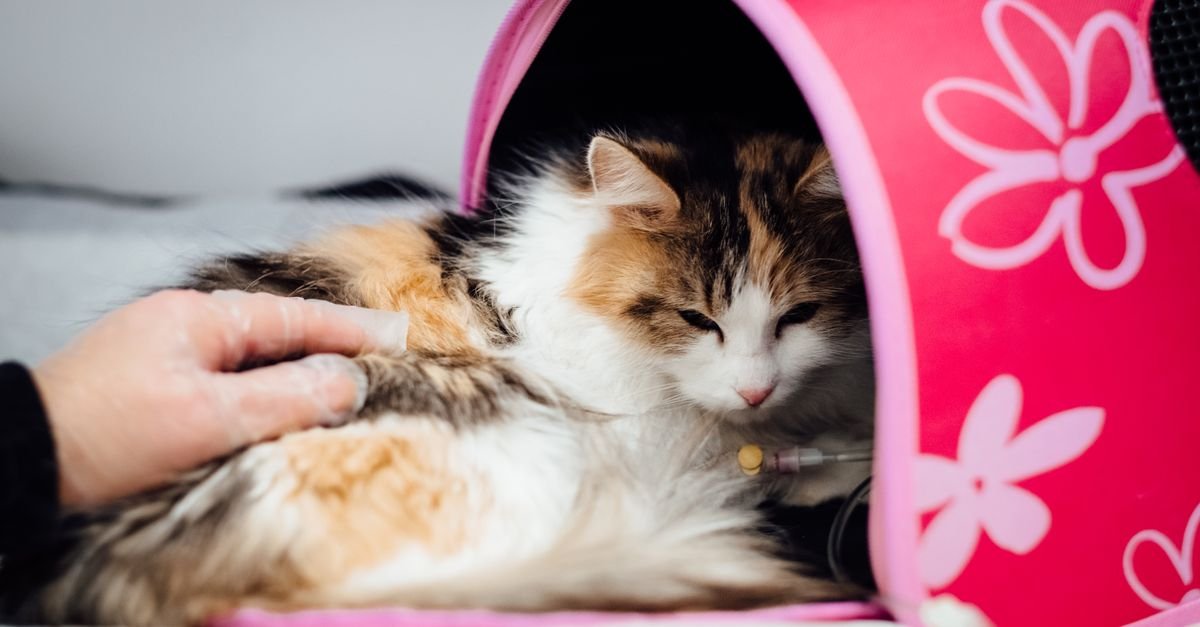
The best way to prepare your dog or cat for a less stressful veterinary visit is to break the experience into small, familiar steps: practice gentle handling at home, make travel equipment positive, use rewards strategically, and contact the clinic before the appointment if your pet panics. Dogs and cats need some different preparation, especially when it comes to travel and waiting-room arrangements.
Do not wait until the morning of the appointment to introduce a carrier, trim nails, or rehearse restraint. Even a few brief, positive practice sessions can give your pet more choice and predictability. If your pet freezes, tries to escape, vocalizes intensely, or becomes aggressive, tell your veterinary team in advance rather than forcing the process. Your veterinarian may be able to adjust the visit plan or discuss additional support.[1]
Start several days or weeks before the appointment
Preparation works best when your pet remains below their panic threshold. Keep sessions short—often a few seconds at first—and stop while your pet is still comfortable. Pair each new step with something your pet values, such as a small treat, a favorite toy, play, or calm praise.
- Touch one body area briefly, then reward.
- Repeat only while your pet remains relaxed.
- Increase duration or intensity gradually, not both at once.
- If your pet pulls away, hides, growls, or stops taking treats, make the next session easier.
For more ideas on reward-based training, see Positive Reinforcement for Cats: A Beginner’s Training Plan.
Dog vet-visit preparation
Practice the parts of an examination
Gently touch your dog’s paws, ears, mouth, neck, and body for a few seconds at a time. Reward calm cooperation instead of holding your dog in place until they struggle. You can also practice standing on a nonslip mat, wearing a harness, walking onto a scale-like surface, and settling beside you.
These exercises are not a substitute for veterinary handling, and they should not cause pain. If touching a particular area causes a sudden reaction, stop and mention it to your veterinarian; a painful problem may be contributing to the response.
Make car travel ordinary
Take short car rides that do not end at the clinic. Begin with sitting in the parked car, then progress to a brief drive and a pleasant return home. Use a secure harness, crate, or other restraint appropriate for your dog and vehicle. Gradually increase trip length only when your dog is coping well. Safe travel acclimation before an appointment is included in veterinary visit guidance.[1]
Bring useful rewards
Pack small, soft, high-value treats that your dog can eat quickly. A favorite toy, lickable food, or familiar blanket may also help. Ask the clinic whether food restrictions apply before the appointment. Do not withhold food automatically: fasting may be necessary for some procedures but inappropriate for others, especially for certain puppies, kittens, diabetic pets, or pets with medical conditions.
Ask about a lower-stress arrival
Call ahead if your dog barks, lunges, trembles, or becomes overwhelmed around unfamiliar animals. The clinic may suggest waiting in the car, entering through a different door, scheduling at a quieter time, or moving directly into an examination room. Some practices also offer brief “happy visits” focused only on treats and praise, which can help separate the building from unpleasant procedures.[1]
Cat vet-visit preparation
Keep the carrier out all the time
For many cats, the carrier becomes frightening because it appears only before an appointment. Leave it open in a room your cat uses, with familiar bedding, a blanket, or a safe toy inside. Place treats or occasional meals near the entrance, then farther inside as your cat becomes comfortable. Never rush the process if your cat is avoiding the carrier.
Choose a secure carrier that supports safe transport and gives your cat an opportunity to hide. Follow the carrier and handling recommendations provided by your veterinary team for your cat’s individual needs.[3]
Train in small carrier steps
- Reward your cat for investigating the open carrier.
- Place familiar bedding inside and reward resting there.
- Briefly add the carrier top or move the door without closing it.
- Close the door for one or two seconds, then reopen it and reward.
- Build the time gradually before lifting the carrier.
- Practice very short car trips that end at home, not at the clinic.
Move forward only when your cat is comfortable with the current step. If your cat panics, go back to an easier step for several sessions. When carrying the carrier, support it from underneath and keep it level rather than swinging it by the handle alone.[3]
Reduce visual and travel stress
Place a familiar-smelling blanket inside the carrier. A light towel over the carrier can reduce visual stimulation, but keep ventilation openings clear. In the vehicle, place the carrier on the floor behind a front seat so it remains stable; do not place it on a seat where it could be affected by an airbag. Follow the Feline Veterinary Medical Association’s transportation guidance and your carrier manufacturer’s instructions for safe positioning.[3]
Never allow a cat to ride loose in the car or open the carrier outdoors. At the clinic, ask whether you can wait in a quiet area or go directly into an examination room. Keep the carrier covered if your cat appears calmer that way, and tell the veterinary team whether your cat prefers minimal restraint, treats, or time to observe before handling. Cat-friendly guidance emphasizes carrier acclimation, hiding opportunities, and reducing unnecessary handling during transport and visits.[3] [4]
What to do on appointment day
| Stage | Dog | Cat |
|---|---|---|
| Before leaving | Use the bathroom, pack treats, and use the normal restraint equipment. | Close the cat in a small room before bringing out the carrier; prepare bedding and a towel. |
| During travel | Keep your dog secured and drive smoothly. | Keep the carrier level, stable, and partly covered if helpful; keep the car quiet. |
| At arrival | Ask whether you can wait apart from other dogs or enter an exam room promptly. | Keep the cat in the carrier and ask about a quiet or separate waiting area. |
| During handling | Reward calm behavior and tell staff about triggers or painful areas. | Let the veterinary team know what handling has worked at home and what causes distress. |
| Afterward | Offer a quiet place to decompress and keep the rest of the day predictable. | Let your cat retreat to a familiar room or hiding place without forced interaction. |
Bring a current medication and supplement list, recent records if requested, a written list of questions, and a short note describing changes in appetite, drinking, mobility, bathroom habits, coughing, vomiting, or behavior. A phone video can be useful for intermittent signs that may not occur in the clinic.
When to ask your veterinarian for extra help
Contact the clinic before the appointment if your pet has previously tried to bite, injured themselves attempting to escape, cannot enter the building, or becomes so frightened that they will not recover during the visit. Veterinary teams may recommend a different appointment time, a modified handling plan, or veterinarian-prescribed pre-visit medication. Do not give human medication or use a calming product without veterinary guidance.
Medication is not a replacement for carrier training or gradual handling practice, but it may be part of a safer plan for pets with severe fear. Discuss the timing and instructions directly with your veterinarian; never borrow medication from another pet or change a prescribed plan on your own.[1] [3]
A simple pre-visit routine to save
- One week or more before: leave the cat carrier out, practice gentle handling, and take short positive car rides.
- One to three days before: confirm appointment instructions, food restrictions, records needed, and arrival options.
- The night before: pack treats, a toy or blanket, medication information, and questions.
- Before leaving: keep your voice and movements calm; secure your dog or cat before opening exterior doors.
- At the clinic: request a quieter waiting arrangement if your pet is distressed.
- After returning home: offer rest, water, and a familiar routine rather than a busy schedule.
The goal is not a perfectly relaxed pet at every appointment. The practical goal is to make each stage—handling, travel, arrival, examination, and recovery—more predictable and safer. Start with the easiest step your pet can manage, reward cooperation, and tell the veterinary team what you observe at home.
Sources
- Preparing your pet for a successful veterinary visit — American Animal Hospital Association
- Tips for Efficient Wellness Visits — American Animal Hospital Association
- 2025 Transportation of Cats in Motor Vehicles Position Statement — Feline Veterinary Medical Association
- Visiting Your Veterinarian: Getting Your Cat to the Veterinary Practice — Feline Veterinary Medical Association