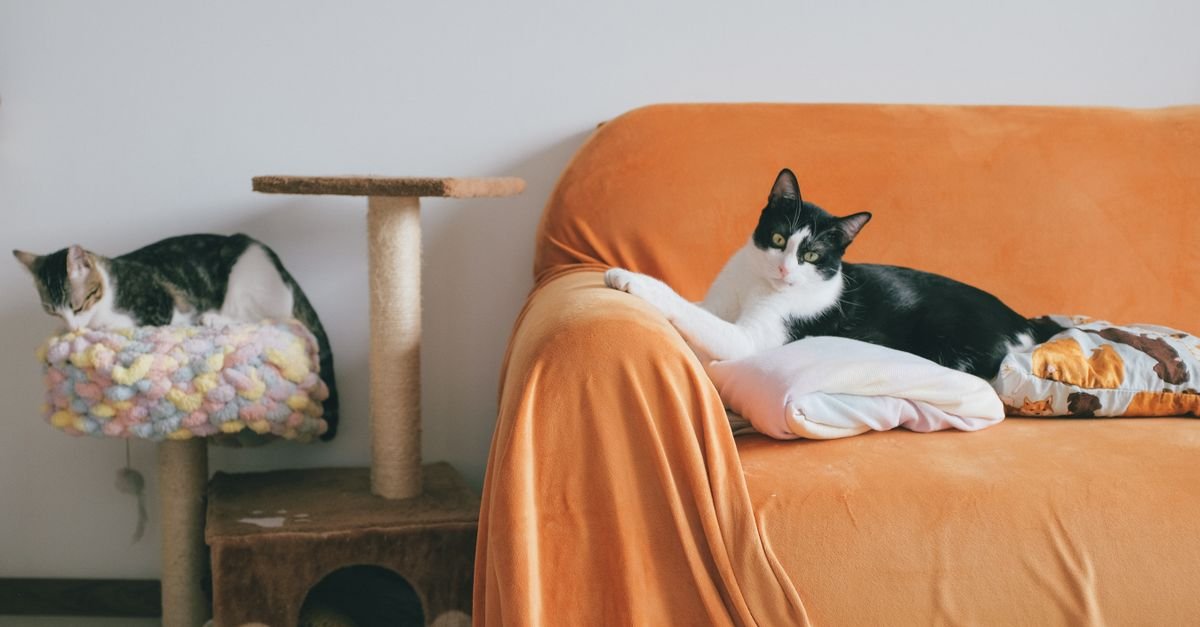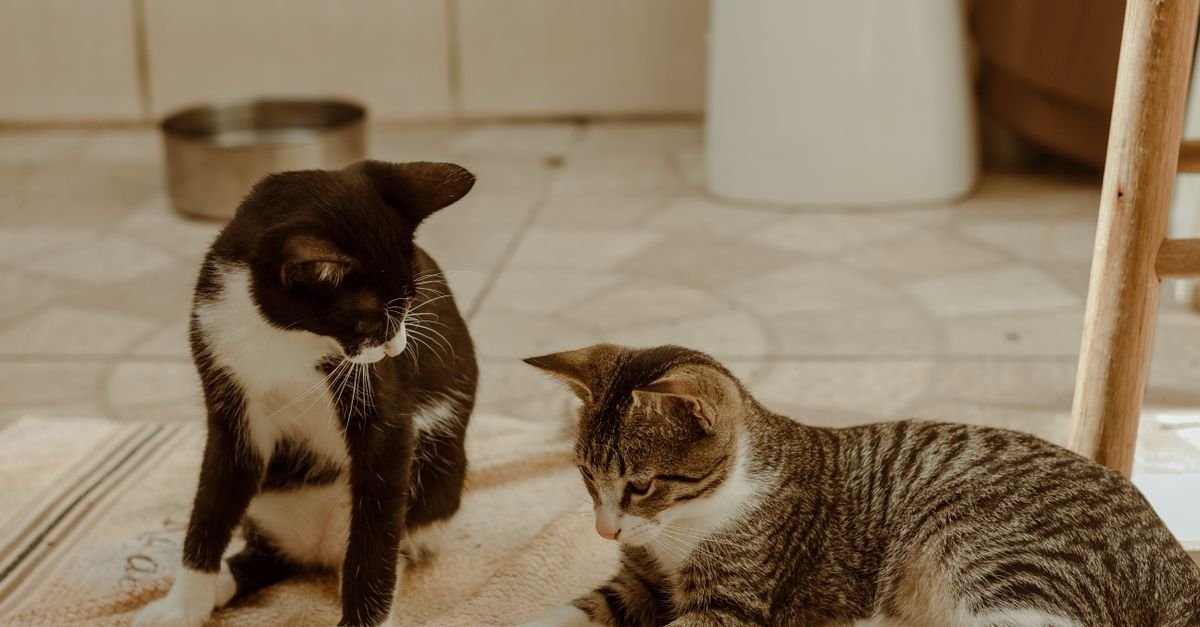

The most useful thing to track is not a single symptom—it is a pattern. Once a week, briefly record your senior dog’s or cat’s mobility, appetite, thirst, sleep, grooming, toileting, and behavior compared with their usual baseline. These notes cannot diagnose a condition, but they can help you recognize gradual changes and give your veterinarian specific information to evaluate. Routine observation of appetite, thirst, elimination, movement, coat, and behavior is part of responsible preventive care. [1] [2]
Older pets may change slowly enough that individual differences are easy to dismiss as “just aging.” AAHA’s senior-care guidance specifically cautions against treating every age-related change as unavoidable, because some changes may reflect a condition that deserves assessment. [3]
Start with a baseline, not a diagnosis
For the first two or three weeks, record what is normal for your pet without trying to interpret it. A cat that sleeps much of the day may still be acting normally if that is consistent with its established routine. A dog that takes longer to rise may need attention if the change is new, worsening, or affecting ordinary activities.
Use the same questions, roughly the same day of the week, and simple descriptions such as “unchanged,” “slightly different,” or “clearly different.” If you use numbers, treat them as observation scores—not medical measurements.
The seven areas to monitor weekly
1. Mobility and comfort
Note how your pet gets up, walks, climbs steps, uses a ramp, jumps onto furniture, enters the car, or reaches the litter box. Record stiffness after rest, reluctance to move, slipping, limping, or a change in walking speed.
For cats, jumping less often can be easier to miss than limping. Watch whether your cat still reaches favorite resting places, uses the litter box comfortably, and turns around normally inside it. For dogs, compare the same familiar route or a short walk rather than expecting identical activity every day.
Do not force exercise to “test” your pet. A short video of an unusual gait, difficulty rising, or trouble using stairs may be more useful than a written description. AAHA recommends pictures and videos as part of home monitoring and veterinary follow-up. [1]
2. Appetite and eating habits
Record whether your pet finishes meals, leaves more food than usual, asks for food differently, drops food, chews on one side, or needs encouragement to eat. If practical, measure portions rather than relying only on an empty bowl.
A change in appetite is more informative when paired with other observations. Note whether weight, energy, drinking, vomiting, stool, or chewing behavior also changed. Avoid changing diets, adding supplements, or offering human medication solely because a senior pet is eating differently; discuss persistent or marked changes with your veterinarian.
3. Water intake and elimination
Track whether the water bowl is being emptied faster or more slowly than usual. Exact measurements are not necessary for every household, but a noticeable change is worth writing down. In multi-pet homes, separate observation or temporarily using measured bowls may be needed to know who is drinking.
Also record urination and bowel movements: frequency, accidents, straining, unusually large or small amounts, diarrhea, constipation, or a change in litter-box habits. For cats, check the litter box regularly enough to notice whether the number or size of clumps changes. Changes in thirst, urination, or defecation can help a veterinarian decide what to ask about and examine. [2]
4. Sleep and daily rhythm
Write down when your pet sleeps, wakes, wanders, vocalizes, or seems restless. The important comparison is not whether your pet sleeps a lot, but whether the pattern has changed.
Examples include waking repeatedly overnight, pacing, becoming active at unusual times, sleeping through familiar activities, or seeming unable to settle. Note what happens immediately before and after the behavior. A short video can help distinguish a one-time interruption from a recurring pattern.
If nighttime barking becomes a new concern, review the pattern alongside mobility, hearing, toileting, and daytime behavior rather than treating the noise alone. Ruvza Pet’s guide to nighttime barking in dogs can help with the household-management side while you document the change.
5. Grooming and body care
Look at the coat, skin, nails, ears, eyes, mouth, and the areas your pet normally keeps clean. Record mats, dandruff, a greasy or dull coat, overgrooming, reduced grooming, drooling, bad breath, discharge, or a new reluctance to be handled.
Reduced grooming can be especially important in cats, which may stop maintaining parts of the coat when movement is uncomfortable or when they feel unwell. Dogs may show a change through slower nail wear, difficulty reaching certain areas, or increased licking. Routine grooming gives owners an opportunity to notice changes, but it should not replace a veterinary examination. [2]
If your pet tolerates it, keep dental observations separate from general grooming. A calm, gradual toothbrushing routine may support home care, but pain, bleeding, loose teeth, facial swelling, or refusal to eat because of the mouth should be discussed with a veterinarian.
6. Behavior and interaction
Record changes in friendliness, irritability, hiding, vocalizing, following family members, play, response to touch, and interest in familiar activities. Note whether your pet seems confused in familiar places, gets stuck behind furniture, misses the litter box, or reacts differently to household sounds.
Behavior changes can have many possible explanations, including pain, sensory changes, environmental stress, or medical problems. The purpose of the log is to describe what happened—not to label the cause. AAHA describes senior care as multifaceted, including medical, behavioral, and environmental considerations. [4]
7. Weight, body shape, and overall function
Weigh your pet periodically if you can do so safely and consistently. For a small pet, a household or baby scale may help; for a larger dog, your veterinary clinic may be able to provide a more reliable trend. Record the date, weight, and whether the measurement was taken under similar conditions.
Also look for changes in muscle over the spine, hips, shoulders, or thighs, as well as changes in body outline. Do not try to correct weight loss or gain by making a major feeding change without veterinary advice. Senior cats, in particular, may benefit from regular weight monitoring because their caregivers may not notice gradual loss. [5]
A simple weekly senior-pet log
Copy this table into a notebook, phone note, or spreadsheet. Use one row per week and add brief details when something changes.
| Area | What to record | Weekly note |
|---|---|---|
| Mobility | Getting up, walking, stairs, jumping, litter-box access | Unchanged / slightly different / clearly different |
| Appetite | Portion eaten, chewing, food interest, dropped food | Unchanged / slightly different / clearly different |
| Thirst and toileting | Water use, urination, stool, accidents, straining | Unchanged / slightly different / clearly different |
| Sleep | Night waking, pacing, daytime sleep, restlessness | Unchanged / slightly different / clearly different |
| Grooming | Coat, nails, mouth, ears, eyes, self-cleaning | Unchanged / slightly different / clearly different |
| Behavior | Interaction, hiding, vocalizing, play, confusion, handling tolerance | Unchanged / slightly different / clearly different |
| Weight and function | Weight, muscle, ability to complete familiar routines | Measurement or short description |
When to contact your veterinarian
Contact your veterinary practice when a change is persistent, worsening, repeated, or affecting eating, drinking, movement, sleep, grooming, toileting, or enjoyment of normal activities. Contact the practice sooner if several small changes appear together—for example, reduced appetite plus weight loss, increased thirst plus more urination, or hiding plus reluctance to move.
Seek urgent veterinary guidance for a sudden major change, collapse, severe weakness, difficulty breathing, repeated vomiting, inability to urinate, uncontrolled bleeding, or a pet that cannot stand or remain responsive. These are recognized emergency warning signs and should not be tracked at home for several days while waiting for a routine appointment. [6]
Bring useful information to the appointment
- Bring the log, even if it is incomplete.
- Write down when the change began and whether it is getting better, worse, or fluctuating.
- Bring short videos of walking, nighttime behavior, coughing, unusual vocalizing, or difficulty using steps.
- List current food, treats, supplements, medications, and recent household changes.
- Describe what your pet could do before and what is difficult now.
The goal is not to monitor your senior pet anxiously every hour. A brief, consistent weekly record creates a clearer picture than memory alone and helps your veterinarian decide which changes deserve closer evaluation. Tracking mobility, appetite, thirst, sleep, grooming, behavior, and function together is a practical way to notice meaningful trends while respecting the limits of home observation.
Sources
- Your Senior Pet: From Head to Toe—Home Monitoring Tips — American Animal Hospital Association
- Overview of Preventative Health Care and Husbandry in Small Animals — Merck Veterinary Manual
- 2023 AAHA Senior Care Guidelines for Dogs and Cats — American Animal Hospital Association
- 2023 AAHA Senior Care Guidelines: Guidelines at a Glance — American Animal Hospital Association
- Senior Cat Care Guidelines — Feline Veterinary Medical Association
- Pet Emergency Care — American Animal Hospital Association