
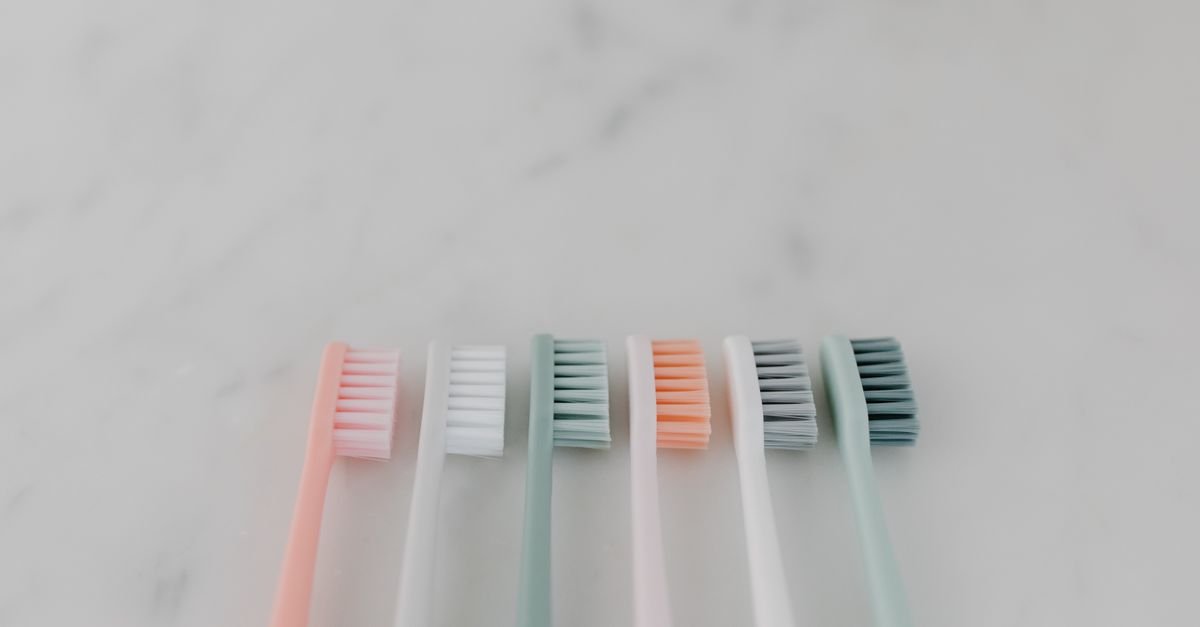
The safest way to start brushing your dog’s or cat’s teeth is to build tolerance gradually. Begin with calm handling, then introduce the taste of pet toothpaste, followed by a soft cloth or gauze, and finally a toothbrush. Keep each session brief and stop before your pet becomes distressed.
Daily brushing is the best home method for removing plaque before it hardens into tartar. It does not replace veterinary dental examinations or professional treatment, especially when disease is already present.[1]
Before you begin: check whether brushing is appropriate
Do not force a toothbrush into a painful mouth. Brushing already inflamed gums can make the experience painful and may cause your pet to resist future care.[2]
Arrange a veterinary dental examination first if you notice red or swollen gums, bleeding, loose or broken teeth, facial swelling, heavy tartar, unusual drooling, persistent bad breath, dropping food, or difficulty eating. A pet may have significant dental disease without making the problem obvious.
Home brushing removes plaque from accessible tooth surfaces. It cannot remove established tartar or fully assess areas below the gumline. A professional dental procedure may be needed when disease is present.[1]
What you need
- A soft pet toothbrush, small child-size soft toothbrush, or appropriately sized finger brush
- Toothpaste made specifically for dogs or cats
- A towel or non-slip surface, particularly for cats and small dogs
- Small rewards your pet values
Never use human toothpaste or baking soda. Human products are not designed to be swallowed by pets and may contain ingredients that can cause illness. Choose toothpaste labeled for dogs or cats instead.[3]
A gradual six-step toothbrushing plan
1. Choose a predictable, calm moment
Pick a quiet time when your pet is relaxed. A dog may be more settled after a walk or gentle play, while a cat often does better when already calm and resting. Use the same location and sequence when possible.
For a small dog or cat, you can sit with the pet facing away from you on your lap, supported by a towel. For a larger dog, sit beside the dog rather than standing over them. Keep your face away from the mouth and leave your pet an easy way to move away.
2. Practice lifting the lips
Touch the side of your pet’s face, lift one lip for a second, then release and reward. Repeat on both sides. At this stage, you are not trying to open the mouth or inspect every tooth. Do several short repetitions over multiple days and move on only when your pet remains relaxed.
3. Introduce the toothpaste
Place a tiny amount of pet toothpaste on your finger and allow your pet to taste it. If your pet refuses the flavor, try a different pet-safe flavor rather than holding the mouth open or smearing toothpaste on unwillingly.
The toothpaste is not a substitute for brushing. The physical action of the soft bristles removes plaque, but a pleasant flavor can make the routine easier to accept.
4. Rub a few teeth with a cloth or gauze
When your pet accepts lip lifting and the toothpaste, put a small amount on a soft cloth or gauze and gently rub the outside of just a few teeth. Focus where the teeth meet the gums. Do not scrub aggressively or try to reach deep into the mouth.
Finish with praise or a reward while your pet is still calm. Gradually increase the number of teeth over several sessions.
5. Introduce the toothbrush
Let your pet sniff the toothbrush and, if interested, lick a little pet toothpaste from it. Then touch the brush to one or two outer tooth surfaces. Use light pressure and small, gentle strokes angled toward the gumline.
You generally do not need to open the mouth wide. Most pets tolerate brushing the outside surfaces better, making them a practical place to concentrate your effort. Work toward the larger cheek teeth and canine teeth, where plaque and tartar commonly accumulate.
6. Build toward a regular routine
Increase the number of teeth slowly. A first successful brushing might take only 10 to 15 seconds. Over time, work toward brushing all accessible outer surfaces once a day. Daily brushing is the ideal goal; for cats, brushing at least three times a week is commonly recommended when daily brushing is not yet realistic.[4]
It is better to brush a few teeth calmly and repeat the process later than to complete the whole mouth while your pet is struggling.
Dog-versus-cat handling differences
| Dogs | Cats |
|---|---|
| Many dogs can learn to sit or stand beside you during brushing. | Cats often do better on a lap or towel-covered surface, with the mouth kept mostly closed. |
| Use a brush sized for the dog’s mouth; small dogs may need a very small brush or gauze at first. | Use a small, soft brush. Cotton swab or gauze work can help with early training, but transition to a brush when your cat accepts it. |
| Begin with the outer cheek surfaces and canine teeth, then gradually expand. | Start with only a few outer surfaces, especially the large cheek teeth and canine teeth. |
| A calm dog may tolerate a slightly longer session once the routine is established. | Shorter sessions are often more successful. Several days or weeks of gradual practice may be needed. |
For both species, avoid pinning the head, prying the mouth open, or chasing a pet around with the toothbrush. The goal is cooperation, not restraint.
Stop signs: when to pause or step back
Stop the session if your pet turns away repeatedly, freezes, hides, swats, growls, snaps, tries to escape, pants unusually, trembles, or begins struggling. Also pause if you see gum bleeding, obvious pain, or sudden sensitivity.
At the next attempt, return to an easier step: showing the brush, touching the cheek, lifting the lip briefly, or rewarding a toothpaste taste. If your pet reacts painfully even to gentle handling, stop home brushing and ask a veterinarian to examine the mouth.
What if your pet will not accept a toothbrush?
Do not treat refusal as a reason to force the routine. Ask your veterinary team about alternatives such as products carrying the Veterinary Oral Health Council seal, dental diets, or water additives. These options vary in usefulness and do not necessarily replace brushing or veterinary care.[1]
A helpful fallback is to keep practicing one small behavior, such as allowing a one-second lip lift, and reward it consistently. Progress may be measured in cooperation rather than in the number of teeth brushed.
A simple weekly progression
- Days 1–3: Touch the cheek, lift the lip briefly, and reward.
- Days 4–7: Let your pet taste pet toothpaste and reward calm acceptance.
- Week 2: Rub a few outer teeth with toothpaste on gauze or a soft cloth.
- Week 3: Touch a soft toothbrush to a few teeth, then stop.
- After that: Add a few teeth at a time until you can brush the accessible outer surfaces regularly.
This schedule is a starting point, not a deadline. Some pets advance faster, while fearful, older, or previously painful pets may need a much slower plan.
The goal: calm repetition, not a perfect first attempt
Pet toothbrushing works best as a low-pressure daily habit. Use pet-safe products, focus on the outer surfaces, reward cooperation, and stop before your pet becomes upset. If dental disease or pain may already be present, have the mouth evaluated before beginning.
Relaxed body language, a few teeth, then a reward. If any part disappears, make the next session easier.
Sources
- Dog & cat dental disease: Signs, professional cleanings, anesthesia, and home care — American Animal Hospital Association
- Recommending home oral hygiene and products — American Animal Hospital Association
- How to brush your pet’s teeth — VCA Animal Hospitals
- Brushing Your Cat’s Teeth — VCA Animal Hospitals