
Cats
Why Do Cats Scratch Furniture? The Real Biological Reason
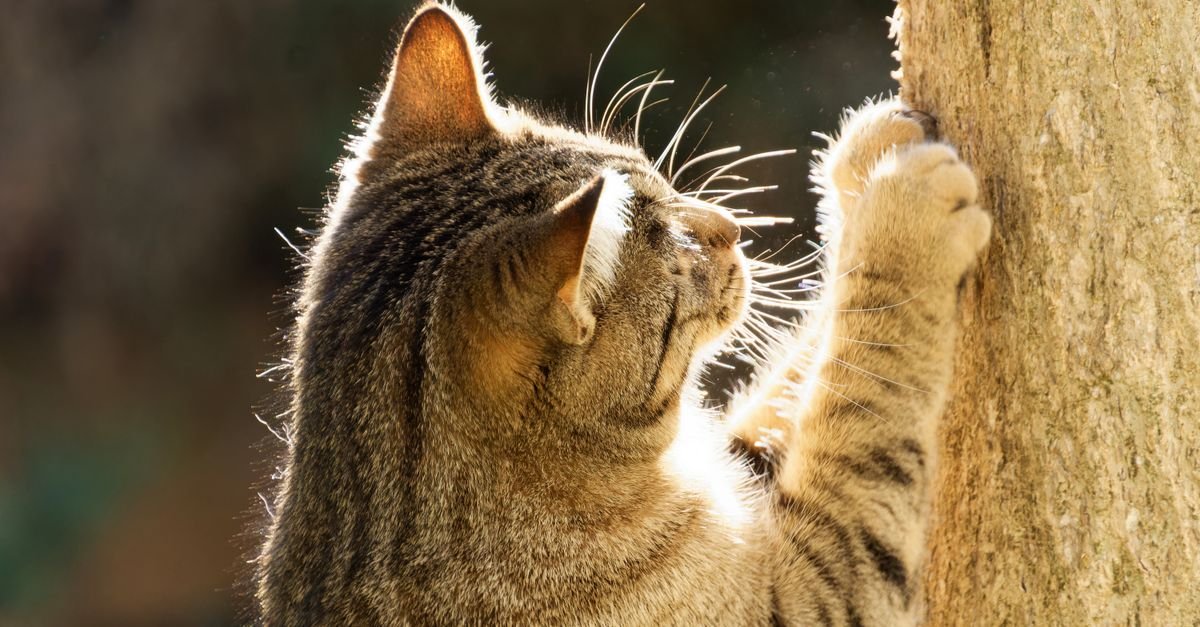
Scratching isn't misbehavior or revenge. Cats scratch to maintain healthy claws by shedding worn outer layers, exercise their muscles, and communicate through scent marking.
Practical cat care, enrichment and everyday questions for cat owners.
Scratching isn't misbehavior or revenge. Cats scratch to maintain healthy claws by shedding worn outer layers, exercise their muscles, and communicate through scent marking.
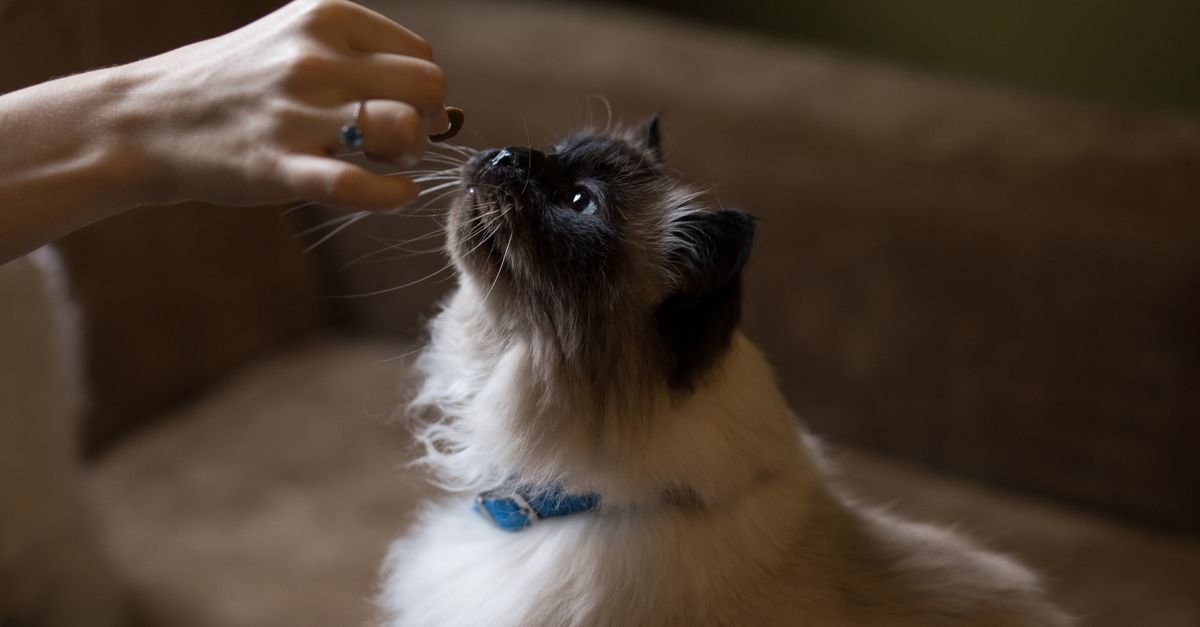
Treats should be limited to no more than 10% of your cat's total daily calorie intake, with complete and balanced food providing at least 90% of their daily calories. The 10% limit is a ceiling, not a target.
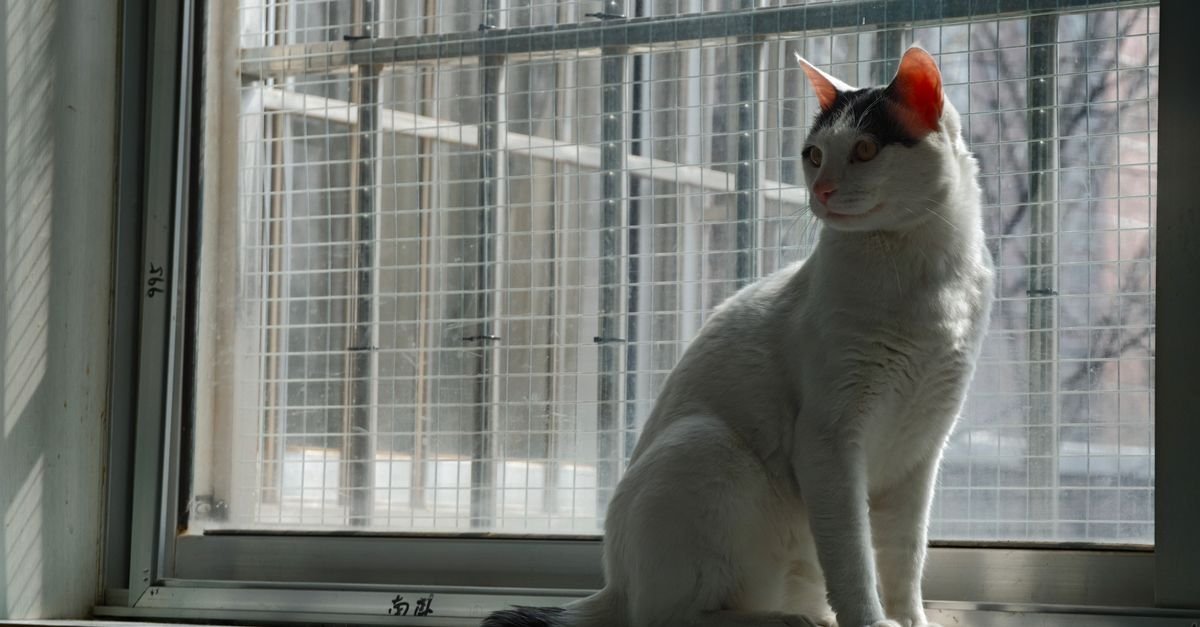
Open windows, repair supplies, cleaning products, and renovation debris can create preventable hazards for indoor cats. Use this short seasonal audit to find risks before your cat does.

A long car trip is manageable for some cats, but not automatically the best choice. Use this decision framework to compare driving, a sitter, and boarding, then prepare your cat and destination safely.
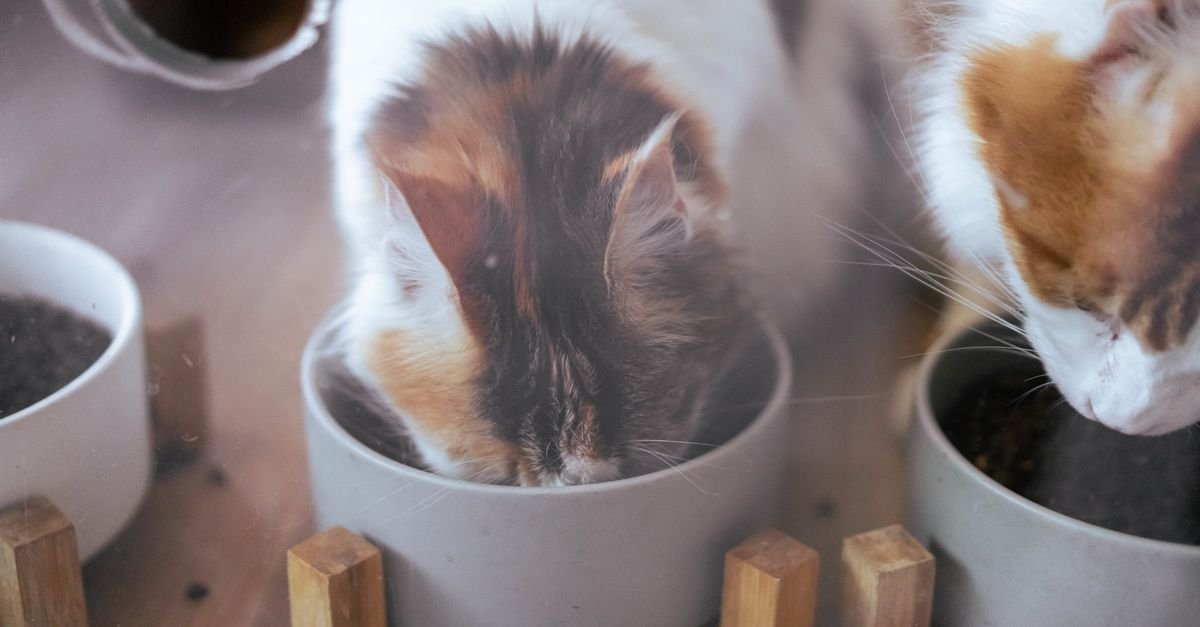
Separate feeding does not require a large house or constant supervision. With individual portions, strategic feeding zones, and the right tools, you can make meals calmer and easier to monitor.
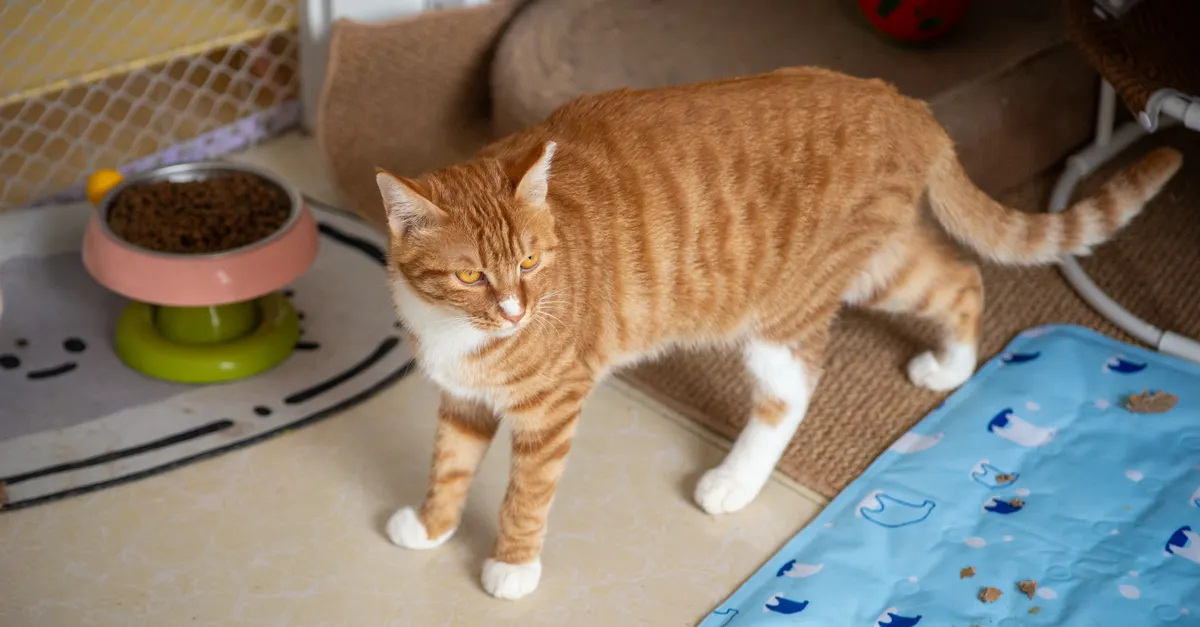
The most effective way to reduce cat litter tracking is usually not an expensive gadget. Start with the route your cat takes after leaving the box, then improve placement, add a generously sized mat, and test litter texture carefully.
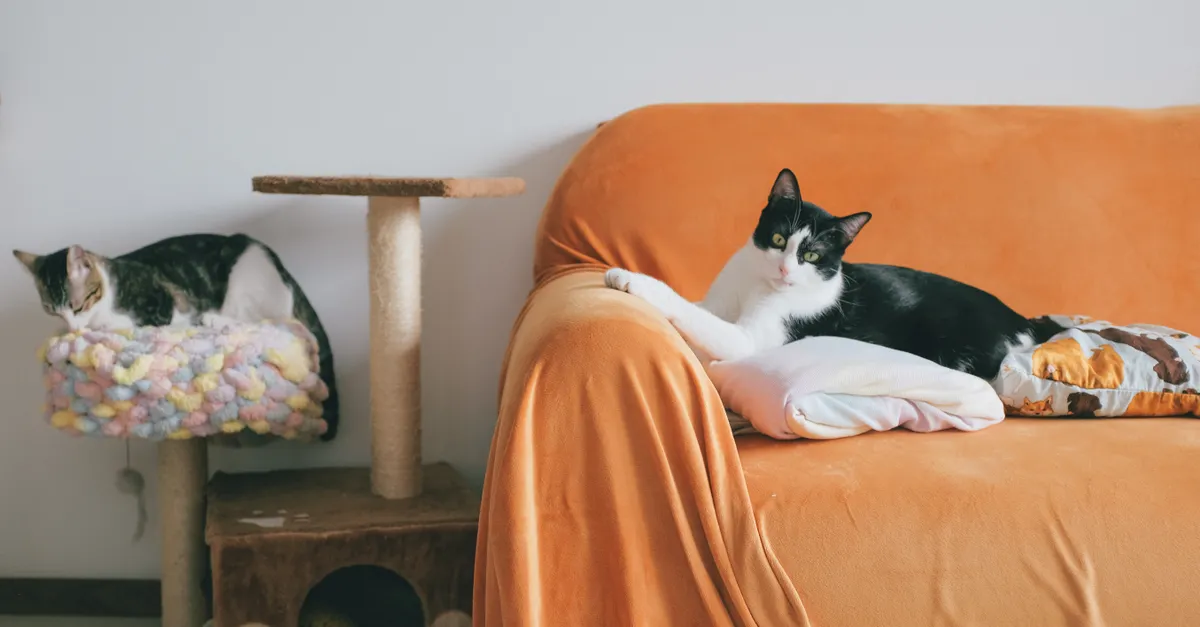
A new cat does not need every product in the pet store. This room-by-room checklist separates essentials from nice-to-haves so you can prepare a safer, calmer home before arrival.
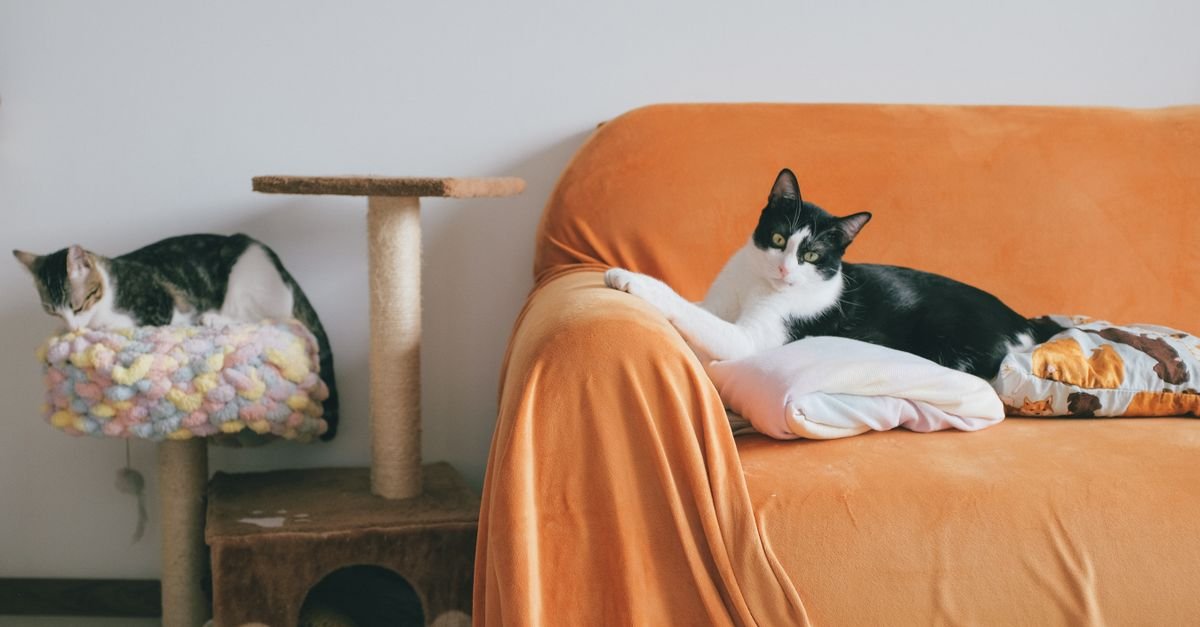
Your cat is not scratching the couch to be difficult. The most reliable solution is to match the scratching setup to your cat’s preferred angle, texture and location, then make the couch temporarily less rewarding.
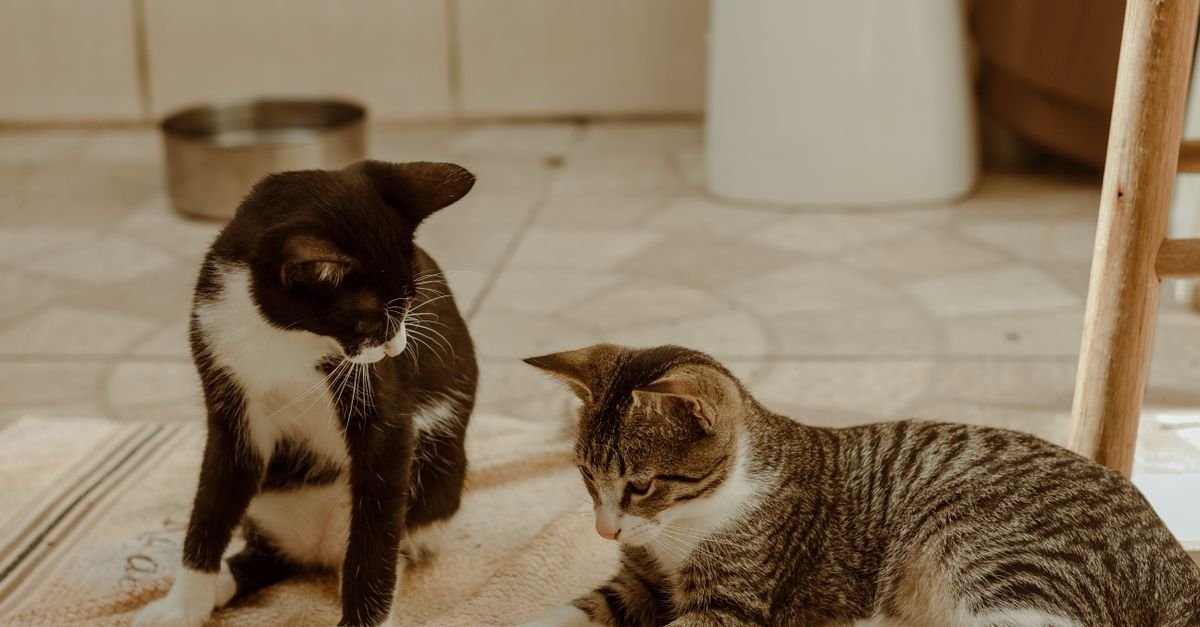
A slow, scent-first introduction gives both cats time to adjust. Here is a practical sequence for reducing guarding, chasing and household tension.
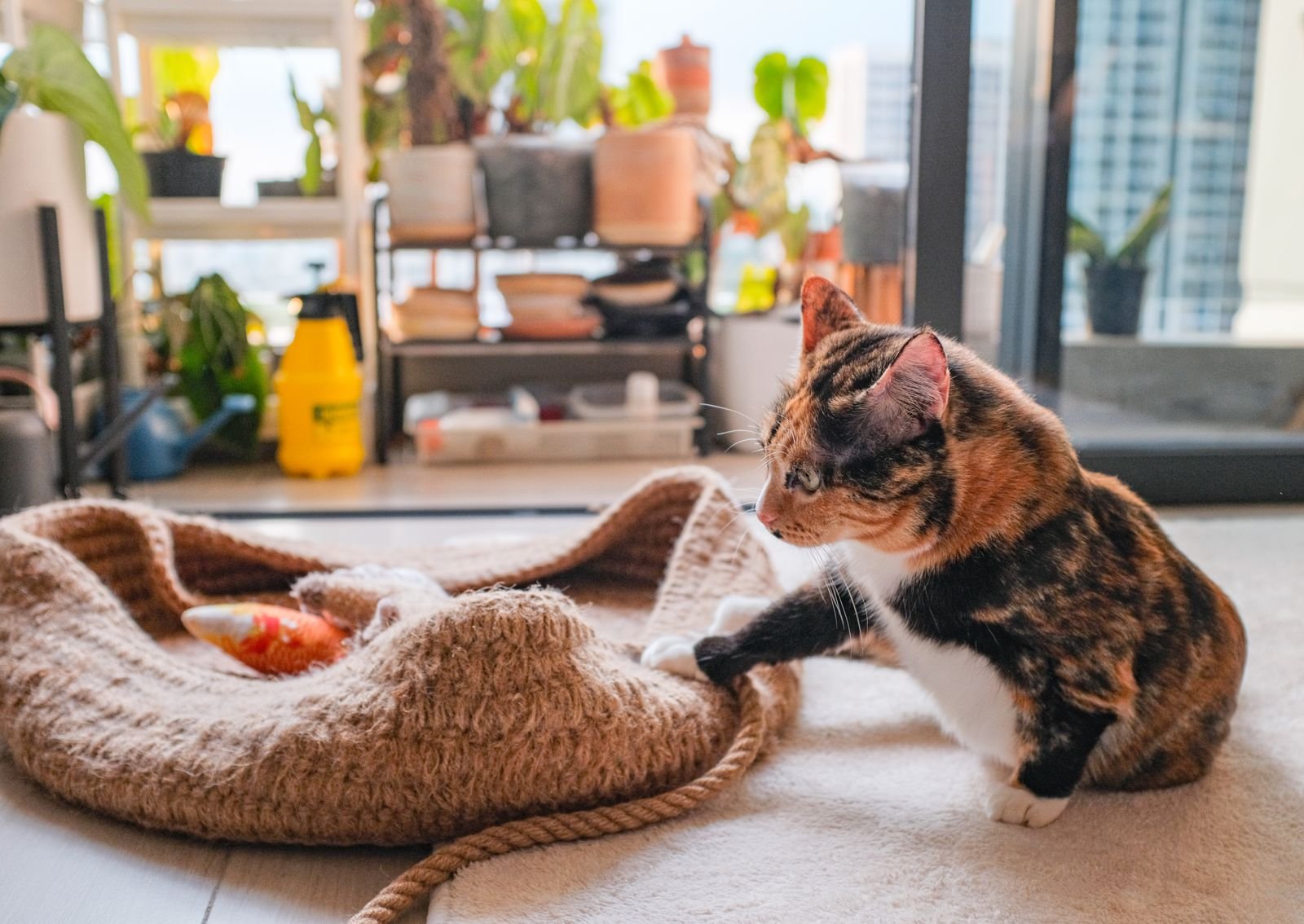
A bored indoor cat does not necessarily need more toys. The most effective enrichment gives your cat safe ways to hunt, climb, hide, scratch, explore and forage—then changes those activities often enough to stay interesting.