A change in your pet's usual routine can be easier to describe than a list of possible diseases. Notice what is different, when it began, and whether other changes appeared at the same time. This guide separates cat-specific observations from general questions about appetite and activity, then gives you a record to share with your veterinarian.
VCA explains that cats can conceal signs of illness. A quiet day, an unfinished meal, or an untidy coat cannot identify a diagnosis on its own. [1] Reduced appetite and listlessness have many possible causes; a veterinarian starts with your pet's history and examination. [2]
Start with appetite and activity
Write down what your dog or cat normally eats and how today's intake compares. Record when reduced appetite or unusual inactivity began. Include other observations, such as vomiting, diarrhea, weight changes, or changes in drinking and urination. Also note recent changes in food, surroundings, or medication. These are the kinds of details VCA describes as useful when a veterinarian investigates reduced appetite and listlessness. They do not prove any particular cause. [2]
Use concrete descriptions. “Ate half the usual breakfast and left dinner untouched” gives a clearer account than “seems off.” If you did not see a meal or cannot tell which pet ate it, mark that entry as uncertain instead of filling in an estimate.
Cat-specific changes to notice
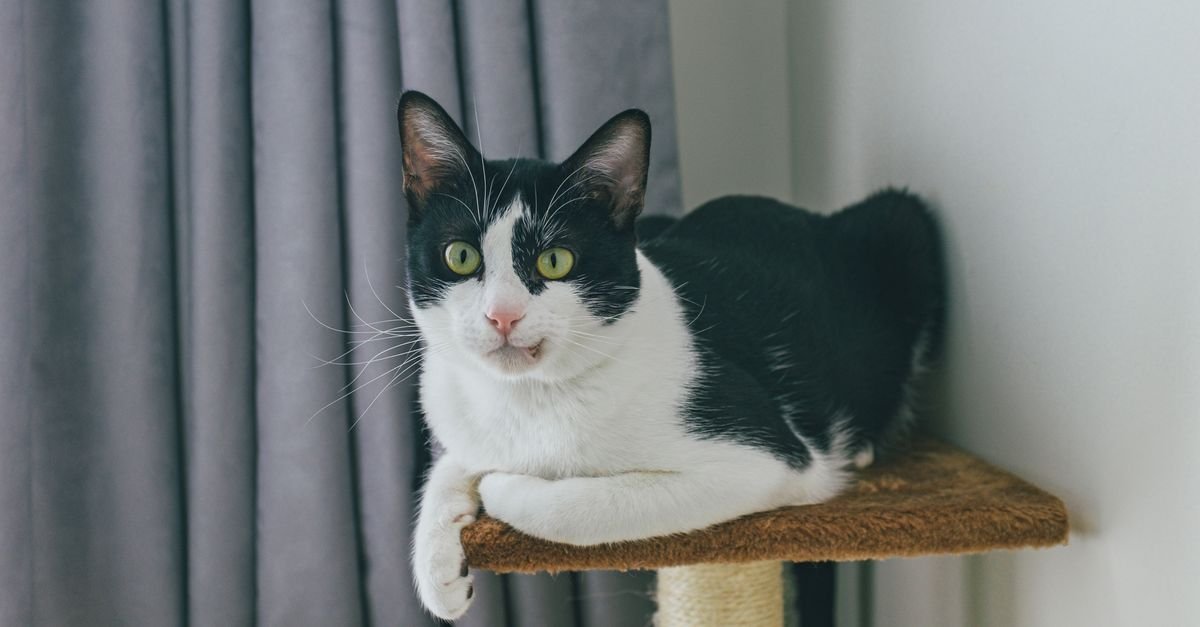
For cats, VCA describes changes in sociability, grooming, appetite, drinking, and litter-box habits as possible signs that something is wrong. A cat may withdraw, become unusually clingy or irritable, or groom less and develop a messy coat. Excessive grooming with bald patches is another change to report. [1]
Compare your cat's litter-box output with its usual pattern, including urine amount and stool appearance. VCA's cat guidance treats reduced urine as urgent and no urine as an emergency. It also identifies unusual breathing and eye or nasal discharge as concerns. Keep these cat-specific findings separate from your dog's record. Contact your veterinary team if your cat is not acting normally, and seek urgent help for concerning breathing or urinary changes. [1]
If your dog is already receiving veterinary care
VCA's sick-dog guidance applies to dogs receiving care. Follow the veterinarian's instructions and contact them immediately if your dog's condition unexpectedly worsens. Report food and water intake, urination, stools, vomiting, diarrhea, coughing, sneezing, and new signs. [3]
A household with several pets can make observations confusing. VCA recommends keeping a sick dog separate when needed to determine that dog's intake and elimination. Tell the clinic when an observation belongs to another pet or cannot be attributed confidently. [3]
A short record for your veterinary call
Copy the headings below into a note on your phone. Fill in what you already know; leave unknowns blank. Keep observations separate from guesses about their cause. This worksheet organizes the history questions above and is a communication aid, not a diagnostic tool.
| Record | What to write |
|---|---|
| Pet and time | Name, species, date, and approximate time of the observation. |
| Usual routine | A brief description of the meal, activity, or habit you are comparing with. |
| Observed change | What you saw, using amounts or examples where available. |
| Other changes | Separate entries for appetite, activity, drinking, urine, stools, and other signs. |
| Recent context | Food, household, or medication changes, with dates if known. |
| Uncertainty | Anything you did not observe directly or cannot attribute to this pet. |
For example: “Milo, dog, Tuesday morning: normally finishes breakfast; today left about half. I first noticed lower activity yesterday. No household changes that I know of. I did not observe his overnight drinking.” This is an example of a useful description, not a rule for deciding how serious Milo's condition is.
Use the record without delaying care
There is no blanket instruction here to wait one or two days. Contact your veterinary team promptly about sudden, severe, or worsening changes; do not postpone that call to finish the worksheet. Ask how soon your particular pet should be examined. If your dog is already under treatment, follow its existing care and recheck instructions. [1] [3]
A detailed history helps the veterinarian narrow the possible causes and decide what further assessment is needed. It cannot promise an outcome or replace an examination. Your next step is to share a clear description of your own pet, with cat-specific observations identified as such and uncertainty stated plainly. [2]
Sources
- Recognizing the Signs of Illness in Cats — VCA Animal Hospitals
- Testing for Decreased Appetite with Listlessness — VCA Animal Hospitals
- Caring for Your Sick Dog — VCA Animal Hospitals