If your dog or cat freezes, tries to escape, vocalizes intensely, hides, or shows defensive behavior at the veterinary clinic, do not treat the problem as simple stubbornness. These behaviors can signal substantial fear. A safer approach combines gradual preparation at home, advance communication with the clinic, and—when appropriate—a medication or handling plan prescribed or recommended by your veterinarian.[1]
This guide focuses on recognizing when a routine preparation plan is not enough and coordinating a safer veterinary visit. It is not a substitute for individualized veterinary advice.
Recognize when fear may make the visit unsafe
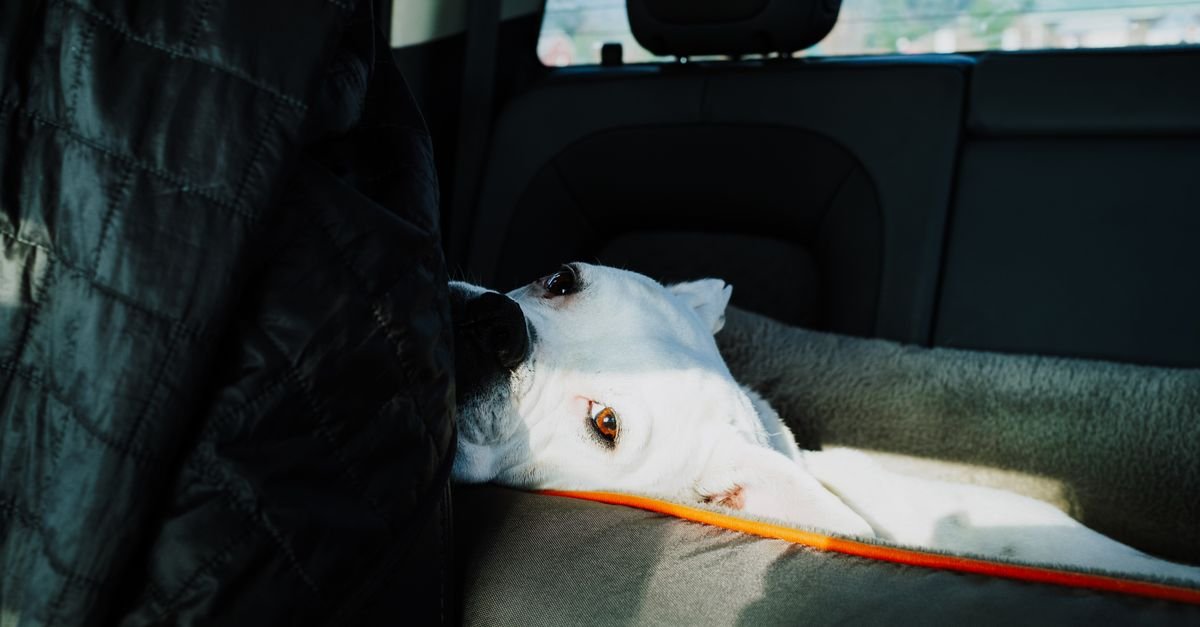
Some pets are uneasy but can still eat, respond to familiar cues, and recover soon after arriving. Others become so distressed that they cannot safely participate in the visit. Signs of significant fear or anxiety can include trembling, panting, rigid muscles, excessive vocalizing, hiding, freezing, frantic escape attempts, refusing treats, or sudden defensive aggression.[2]
| What you see | What to do |
|---|---|
| Mild hesitation, while the pet can take treats and recover | Use brief, positive practice sessions and tell the clinic what your pet finds difficult. |
| Freezing, hiding, refusing food, or prolonged trembling | Call before the appointment and ask for a lower-stress arrival and handling plan. |
| Escape attempts, snapping, biting risk, or severe panic | Do not “push through.” Ask the veterinarian about pre-visit planning, handling alternatives, and whether prescribed medication is appropriate. |
Fear can interfere with examination, testing, and safe handling. Tell the veterinary team about intense fear, escape behavior, vocalizing, or aggression before the appointment rather than waiting until your pet is already overwhelmed.[1]
A practical timeline for a safer appointment
Several weeks before: identify the earliest trigger
Write down the point at which your pet begins to struggle. Is it when the carrier appears, when the car starts, in the parking lot, in the waiting room, or when a body part is touched? Note the earliest signs as well as the most intense behavior. This information helps the clinic plan around the problem.
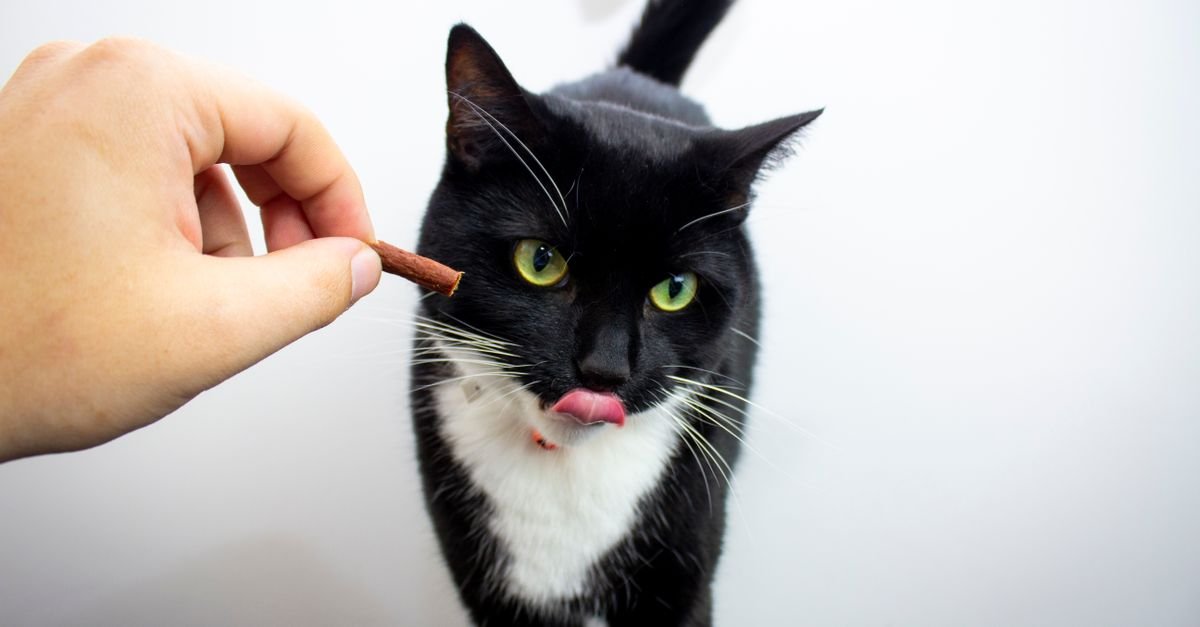
For dogs, you can discuss brief, reward-based handling practice with your veterinary team. Work with paws, ears, mouth, or the body for only a moment, offer a reward, and stop before the dog pulls away or becomes tense. Increase the duration only while the dog remains comfortable. Gradual exposure and positive reinforcement are preferable to forcing a pet to endure handling until fear escalates.[3]
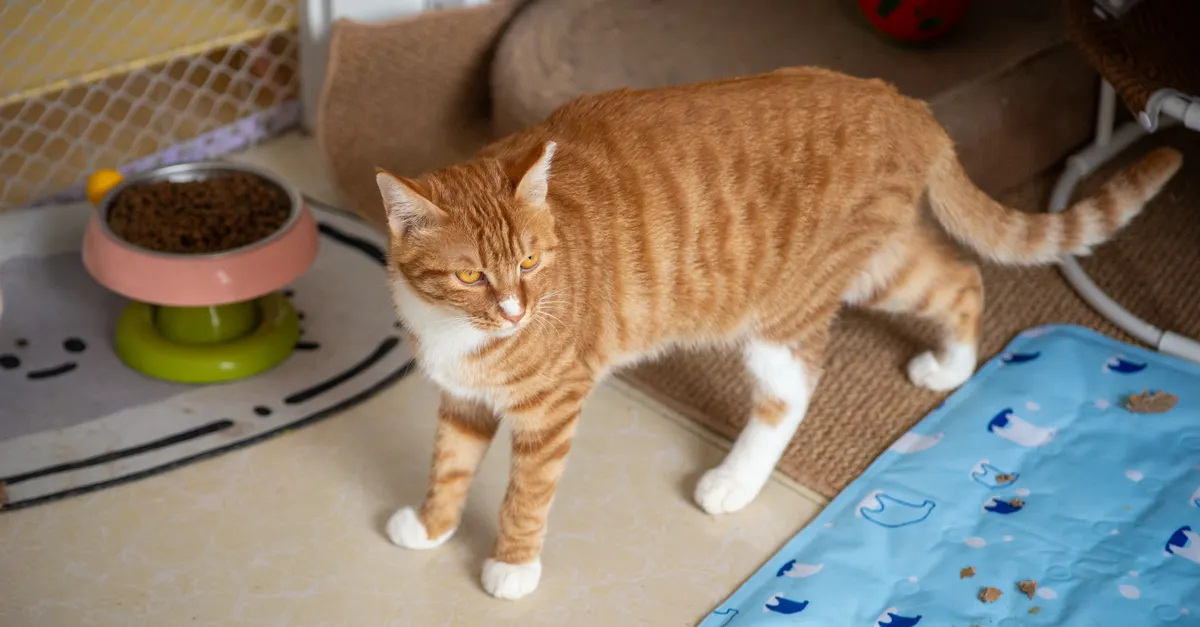
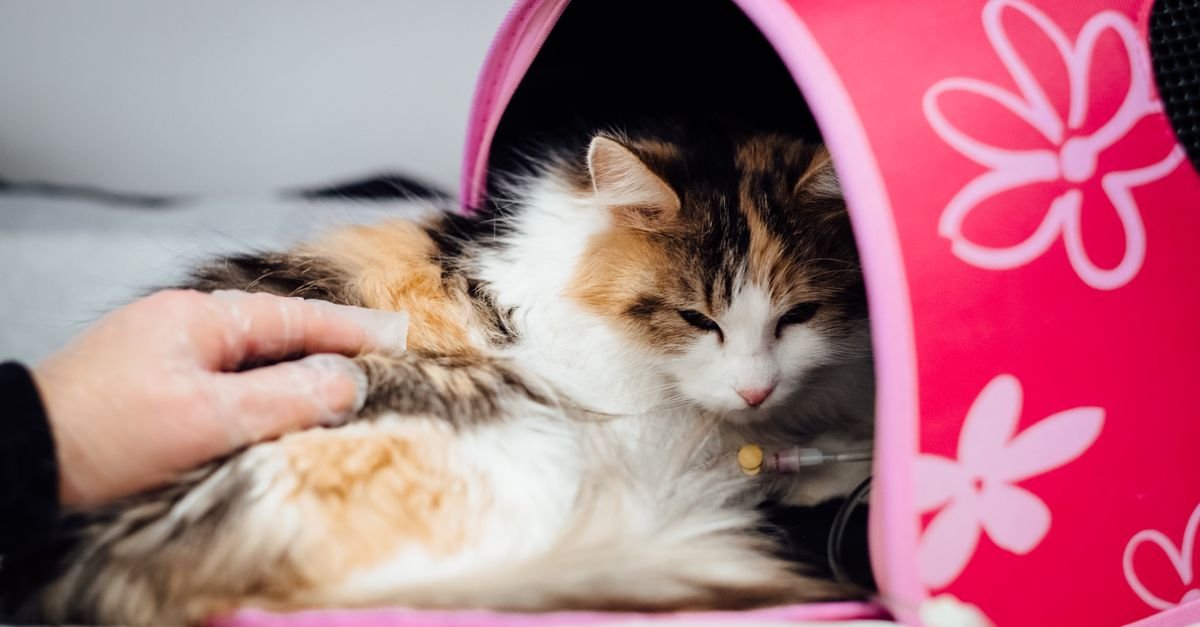
For cats, leave the carrier open in a familiar room rather than bringing it out only on appointment days. Comfortable bedding and occasional treats, meals, or toys may make the carrier a more familiar part of the environment. Let the cat investigate voluntarily; do not chase the cat into the carrier as a training exercise. Progress at the cat’s pace and repeat an easy step if the cat becomes distressed.[4]
One to two weeks before: rehearse transport if your pet can cope
Once your pet can tolerate the carrier, leash, harness, or car without obvious distress, rehearse very short trips that do not end at the clinic. For a cat, begin with calmly entering the carrier, then carrying it level, and later sitting in the parked car. For a dog, pair brief car rides with a preferred activity or returning home.
Do not advance simply because the calendar says it is time. Advance when your pet can complete the current step without escalating. If your pet starts panting, trembling, freezing, hiding, or refusing normally appealing rewards, make the exercise easier or stop and try again later.
Before booking or confirming: call the clinic
Tell the receptionist or veterinary team exactly what happens, including any history of snapping, biting, bolting, or inability to be examined. Ask whether you can:
- Wait in the car or go directly into an exam room.
- Use a quieter entrance or schedule a less busy appointment time.
- Keep your cat in a covered, secured carrier until the team is ready.
- Bring a favorite food, toy, blanket, or familiar-smelling item.
- Arrange a brief familiarization visit involving treats rather than an examination, if the clinic offers this option.
Reducing time in a busy waiting area, separating animals, and moving at the pet’s pace can help reduce stress. Rushing a fearful animal may make later visits more difficult rather than faster.[2]
For a broader overview of what may happen during a routine appointment, see What Happens at a Dog or Cat Wellness Exam?
The day before and the day of the visit
Pack high-value rewards, a familiar blanket or toy, waste bags, and any records or questions for the veterinarian. Offer food rewards during the visit if your pet is interested and the veterinary team says they are appropriate. Do not deliberately withhold food or water without checking first; fasting may be necessary for some procedures but inappropriate for other pets or appointments.
Never give a human calming product or another animal’s medication. If your pet’s fear is intense, ask the veterinarian in advance whether a prescribed pre-visit medication or another strategy could make the trip safer. Medication decisions depend on the individual pet, health history, planned procedure, and timing, so dosing instructions must come from the prescribing veterinary professional.[1]
Safer arrival and handling
Keep dogs secured on a leash or in a suitable carrier, and keep cats in a secured carrier. Ask the veterinary team whether your cat can remain in the carrier during an initial assessment or whether the carrier can be opened in the exam room. A removable-top carrier may be useful in some situations, but the veterinary team should decide how it is used. A light cover and familiar bedding may reduce visual stimulation for some cats.[4]
Tell the team what has worked at home and what has failed. Ask whether the examination can proceed in small steps, with breaks and rewards. If your pet is escalating, speak up before the situation becomes unsafe. A postponed elective examination with a better plan may be safer than forcing a panicked pet through the appointment; the veterinary team should make that decision with you based on the medical need.
For cats, avoid opening the carrier in a public waiting area. For dogs, create distance from other animals whenever possible. Do not allow unfamiliar people or pets to approach a visibly distressed animal.
After the visit
Return home quietly and give your pet access to a calm retreat. Continue low-pressure carrier, car, and handling practice on non-appointment days so these objects do not predict a stressful event every time they appear.
Track what happened: the earliest stress signal, what rewards worked, which handling steps were difficult, and how long recovery took. This record gives your veterinary team useful information for the next plan.
When professional planning is especially important
Contact your veterinarian before the next routine visit if your pet has attempted to escape, injured themselves, bitten or nearly bitten someone, cannot be safely placed in a carrier, refuses all food and interaction at the clinic, or has required heavy restraint in the past. Also contact the veterinary team if fear is sudden or substantially worse than usual so they can advise you based on the pet’s overall health and circumstances.
The goal is not to make every pet enjoy examinations. The practical goal is a visit that provides necessary care while minimizing panic, injury risk, and worsening fear. Start with small home practices, communicate early, and involve your veterinarian when ordinary preparation is not enough.
Quick pre-visit checklist
- Record your pet’s earliest and most intense fear signals.
- Practice handling, carrier entry, or short car trips only while your pet remains below the panic point.
- Call the clinic with a precise description of the behavior.
- Ask about direct-to-room arrival, quiet scheduling, and low-stress handling.
- Pack rewards and familiar items, but confirm any food restrictions first.
- Ask the veterinarian whether a prescribed pre-visit plan is needed.
- Allow quiet recovery afterward and record what should change next time.
Sources
- Preparing your pet for a successful veterinary visit — American Animal Hospital Association
- Tips for reducing patient fear in the veterinary clinic — American Animal Hospital Association
- How can my pet have stress-free veterinary visits? — American Animal Hospital Association
- Visiting Your Veterinarian: Getting your Cat to the Veterinary Practice — Feline Veterinary Medical Association