Short answer: A dog or cat wellness exam usually includes a detailed history, a nose-to-tail physical examination, a review of vaccines and parasite prevention, and a conversation about nutrition, behavior, dental care, and lifestyle. Bloodwork, urine testing, fecal testing, blood pressure measurement, imaging, or other screening tests may be recommended—but there is no single testing checklist that fits every healthy pet. Age, breed, environment, travel, medications, and past health problems all influence the plan.[1]
The most useful way to think about the appointment is as a decision conversation. You describe what you have noticed at home; the veterinary team examines your pet and explains which preventive steps are worthwhile now, which can wait, and what changes should prompt a follow-up visit.
What happens during the appointment?
1. The team takes a medical and lifestyle history
Before or during the exam, expect questions about your pet’s appetite, water intake, activity, bowel movements, urination, sleep, mobility, grooming, and behavior. The veterinarian may also ask about:
- What your pet eats, including treats, supplements, chews, and table food
- Indoor and outdoor access, boarding, grooming, travel, hunting, or contact with other animals
- Current medications and preventives, including how consistently they are given
- Changes in weight, exercise tolerance, vocalization, litter-box habits, or social behavior
- Previous illnesses, surgeries, allergies, abnormal test results, or family and breed-related risks
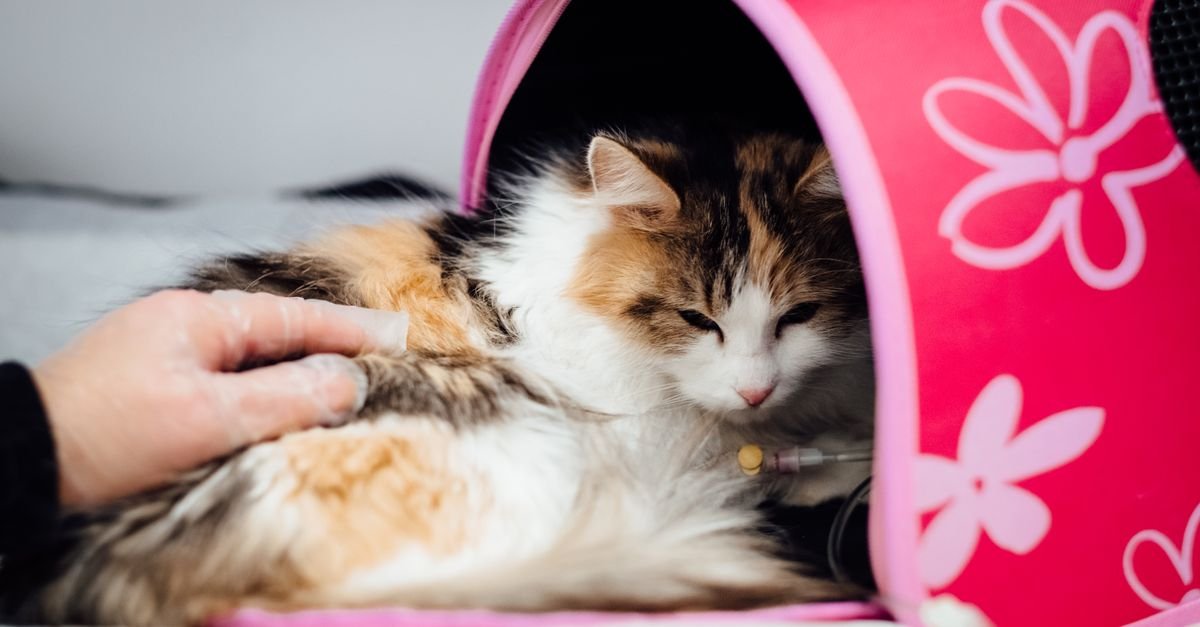
For cats, small changes can be especially important. Hiding more, grooming less, drinking differently, vocalizing at night, or avoiding the litter box may deserve discussion even if your cat still seems generally well. Feline preventive-care guidance specifically emphasizes behavior, elimination habits, food and water intake, and previous medical history as routine discussion points.[2]
2. Your pet receives a hands-on physical examination
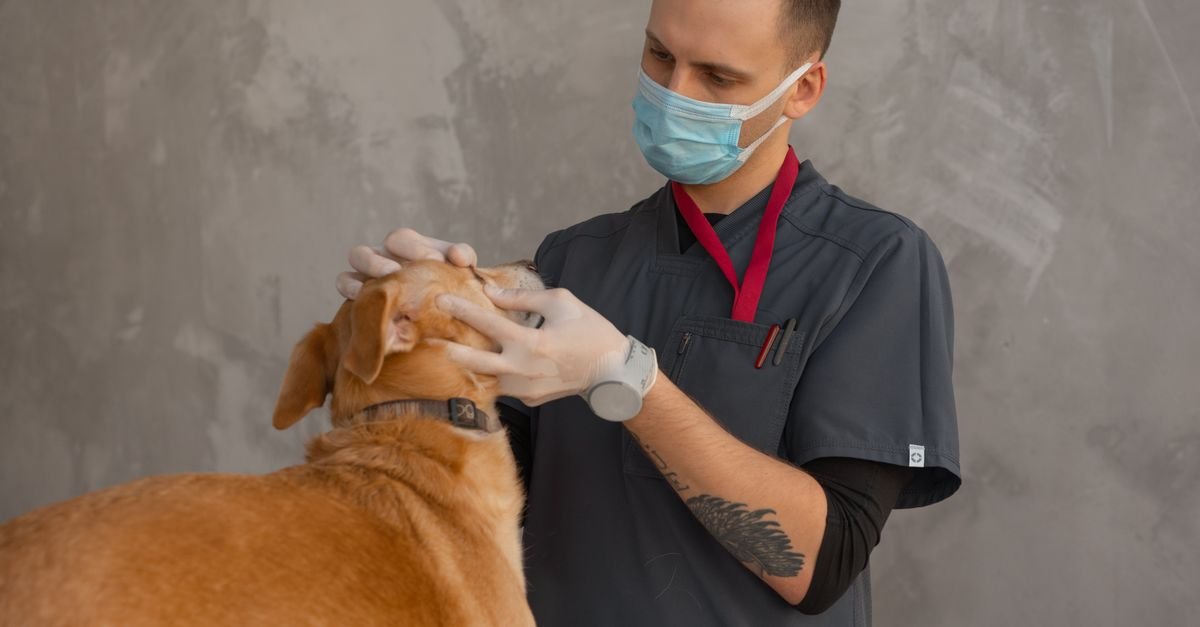
A typical exam may include listening to the heart and lungs; examining the eyes, ears, nose, mouth, skin, and coat; feeling the abdomen; checking joints and movement; assessing pain; and looking for lumps or other abnormalities. The team may record body weight, body-condition score, muscle condition, temperature, pulse, and breathing rate.
Dental care is usually part of the discussion because the mouth can reveal painful disease that is easy to miss at home. The veterinarian may also ask about bad breath, chewing difficulty, dropping food, pawing at the mouth, or changes in eating.
3. Prevention is matched to risk
Vaccines are selected according to species, age, previous vaccination history, exposure, local disease risks, travel, boarding, and applicable regulations. Parasite prevention is also individualized. A dog that hikes, swims, travels, or spends time in tick habitat may have different risks from a city dog that rarely leaves a fenced yard. An indoor cat may have fewer exposures than an outdoor cat, but indoor living does not eliminate the need for routine examinations or a risk review.[3]
This is a good time to ask whether your pet’s current flea, tick, heartworm, intestinal-parasite, or other preventive plan still fits their life. Do not change a prescription product or stop prevention without discussing it with your veterinarian.
Which wellness tests might your pet need?
Testing is not automatically “more thorough” just because more tests are ordered. The goal is to choose tests that answer a useful question, establish a baseline, monitor a trend, or investigate a specific risk.
| Possible test or check | Why it may be discussed |
|---|---|
| Fecal examination | To look for intestinal parasites, with frequency influenced by age, lifestyle, exposure, and preventive care. |
| Bloodwork | To establish baseline information, screen for changes in organ function or blood cells, or monitor an existing condition. |
| Urinalysis | To assess urine concentration and look for clues involving the urinary system, hydration, metabolism, or other health concerns. |
| Heartworm or vector-borne disease testing | To assess risks that depend on species, geography, exposure, prevention history, and clinical context. |
| Blood pressure measurement | More likely to be considered for older pets, cats or dogs with certain diseases, or pets taking medications that warrant monitoring. |
| Imaging or other targeted tests | To investigate an abnormal examination finding, persistent symptom, breed risk, or change from a previous visit. |
For cats, life-stage guidance says diagnostic testing should be tailored to the individual and interpreted alongside the history and physical examination. Repeated measurements can be useful because trends—such as changing kidney-related values, thyroid results, blood pressure, or urine concentration—may matter more than one isolated result.[4]
Senior pets and animals with chronic conditions often need more frequent monitoring than a healthy young adult. AAHA materials commonly describe examinations at least every six months for senior dogs and cats, while the exact schedule depends on the individual pet and the veterinarian’s recommendations.[5]
How age and history change the visit
- Puppies and kittens: Visits may be scheduled more often while the pet grows. Discussions can include vaccination timing, parasite control, nutrition, behavior, socialization, identification, sterilization, and congenital or breed-related concerns.
- Healthy adult dogs and cats: The focus is often on maintaining a useful baseline, reviewing preventive care, monitoring weight and dental health, and catching subtle changes early.
- Senior pets: The team may pay closer attention to mobility, pain, cognition, vision, hearing, dental disease, appetite, hydration, organ function, and quality of life.
- Pets with previous illness: The appointment may center on trends, medication effects, recurrence risks, and whether additional tests or a shorter follow-up interval is appropriate.
- Pets with unusual lifestyles: Working, breeding, traveling, hunting, swimming, boarding, or frequently socializing pets may need prevention plans that reflect those exposures.
For older pets, keeping a simple weekly record of appetite, drinking, weight, mobility, sleep, bathroom habits, and behavior can make the visit more useful. You can compare those observations with the veterinarian’s findings and identify changes that might otherwise be dismissed as “just aging.”
What should you bring or prepare?
- Write down your top three questions. Start with the changes or concerns that matter most to you.
- Bring medication and supplement information. Include product names, strength, schedule, and the last dose if relevant. Photos of labels can help.
- Record food details. Note the main diet, treats, chews, supplements, and approximate daily amounts. A kitchen scale can improve portion estimates; see this guide to measuring dog and cat food portions.
- Bring records from other clinics. Vaccine certificates, laboratory results, imaging reports, adoption paperwork, and medication history can prevent unnecessary repetition.
- Take useful videos or photos. A recording of coughing, limping, unusual breathing, a seizure-like episode, nighttime behavior, or difficulty using stairs may show more than a brief office visit.
- Ask about visit stress in advance. Carrier practice, calming preparation, and scheduling options can help. Our less-stressful vet visit checklist covers practical preparation.
Questions to ask before you leave
- What changes should I monitor at home?
- Which vaccines and parasite preventives fit my pet’s actual lifestyle?
- Does my pet need screening tests today, and what question would each test answer?
- What is an ideal weight and body condition for my pet?
- What dental care is appropriate at home, and what findings would require a separate dental procedure?
- When should we schedule the next routine exam?
- Which signs mean I should call sooner rather than wait for the next appointment?
When not to wait for the annual exam
A wellness visit is for prevention, not a substitute for prompt care when a pet is sick. Contact a veterinary clinic sooner for concerning changes such as difficulty breathing, collapse, repeated vomiting, severe pain, inability to urinate, major bleeding, sudden neurologic changes, suspected poisoning, or a rapid decline. If you are unsure how urgent a problem is, call a veterinary professional for triage guidance.
The practical takeaway
Before the appointment, gather records, write down changes, and bring a realistic picture of your pet’s diet and daily life. During the visit, ask the veterinarian to explain not only what they recommend but why, what the limits of a test are, and when a result would change the plan. That approach turns a routine checkup into a personalized preventive-care strategy rather than a fixed annual checklist.
Sources
- Why Your Pet Needs Annual Wellness Testing (and What It Can Detect Early) — American Animal Hospital Association
- Life Stage Checklists — American Animal Hospital Association
- 10 Things You Need To Know About the AAHA/AVMA Preventive Healthcare Guidelines — American Animal Hospital Association
- Diagnostic Testing for Each Life Stage — American Animal Hospital Association
- Supporting Your Senior Pet: Veterinary Care Recommendations — American Animal Hospital Association