Short answer: neither scentwork nor obedience is universally better. Choose scentwork when your priority is low-impact enrichment, independent problem-solving, and giving your dog a structured outlet for sniffing. Choose obedience training when you need practical skills such as coming when called, walking politely, settling, or responding around distractions. For many dogs, the best plan combines both.
A recent four-week study directly compared scentwork classes with traditional obedience classes. Both groups took part in positive-reinforcement training, and the researchers found no significant overall advantage for one class across behavior, welfare, or the human-dog bond. The results did suggest different strengths: obedience participants showed improved owner-reported trainability, while scentwork participants were more likely to be described by their owners as having improved quality of life.[1] That is useful guidance—but it is not proof that scentwork cures anxiety, hyperactivity, or other behavior problems.
Scentwork vs. obedience at a glance
| Consideration | Scentwork | Obedience |
|---|---|---|
| Main goal | Find a hidden odor, treat, toy, or object and communicate the find | Teach cues, manners, responsiveness, and calm behavior |
| Mental workload | Extended sniffing, searching, decision-making, and persistence | Listening, impulse control, memory, and responding to human cues |
| Owner effort | Usually low to moderate once the game is set up; the handler must avoid giving away the answer | Moderate to high; skills need frequent practice in different places |
| Physical demands | Often low impact, although searches can become physically demanding outdoors or over difficult terrain | Ranges from low to moderate depending on the skill and training environment |
| Best fit | Dogs that enjoy investigating, food searches, and working at their own pace | Dogs that need reliable everyday skills or owners who want clearer communication |
When scentwork may be the better first choice
Scentwork is a strong option if your dog naturally spends walks with its nose down, enjoys searching for treats, or becomes frustrated by repetitive drills. The activity lets the dog gather information and make choices rather than simply wait for the next cue. In formal scentwork, dogs search containers, indoor areas, outdoor areas, or buried hides and then alert the handler when they locate the target odor.[2]
It can also suit dogs that need a lower-impact activity. A search can be adapted for a small space, older dog, or dog that cannot tolerate vigorous exercise, although pain, mobility changes, or unusual fatigue should be discussed with a veterinarian before starting a new activity. Scentwork is not automatically calming: some dogs become highly excited by searching, and difficult hides can create frustration.
Choose scentwork first when:
- Your dog loves sniffing and food-based games.
- You want a quiet indoor activity for bad weather or limited space.
- Your dog loses interest during long obedience sessions.
- You want enrichment that allows more independent problem-solving.
- You need to limit jumping, running, or repeated physical motions.
If your dog is easily overaroused, keep searches short and predictable. A useful starting point is one or two minutes of searching followed by a break, rather than a long session that ends when the dog is already barking, grabbing, or unable to disengage. For more ideas about matching enrichment to arousal level, see our guide to building a better enrichment routine for an overaroused dog.
When obedience training should come first
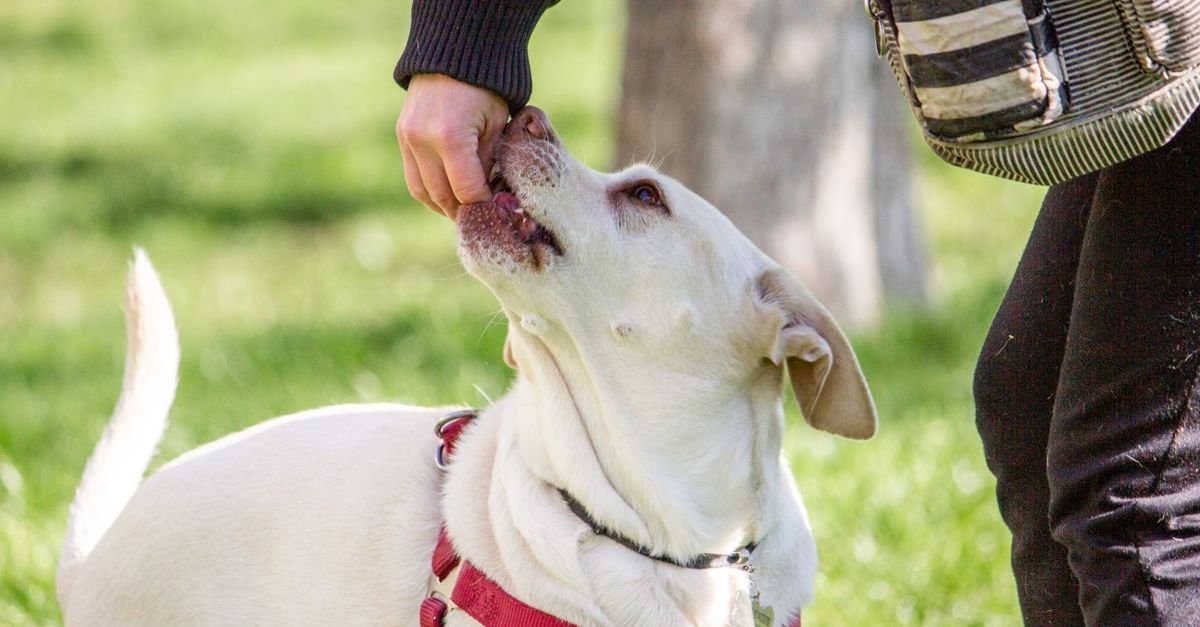
Obedience is usually the better first investment when your dog needs skills that affect safety and daily life. A reliable recall, a practiced “leave it,” loose-leash walking, a station or mat behavior, and the ability to settle can make walks, visitors, grooming, and veterinary care easier.
Obedience also gives the owner a shared communication system. Scentwork can teach persistence and searching, but it does not replace teaching a dog what to do when a door opens, a cyclist passes, food falls, or the leash becomes tangled. Those situations require cues and habits that have been practiced around gradually increasing distractions.
Choose obedience first when:
- Your dog does not reliably respond to basic safety cues.
- Leash pulling, jumping, door rushing, or poor settling is the main household problem.
- You are preparing for a puppy class or a new public environment.
- You need to improve handling for grooming, travel, or routine care.
- You want to build the foundation for later sports, therapy work, or advanced training.
Use reward-based methods for either activity. The American Veterinary Society of Animal Behavior recommends reward-based training for all dog training and behavior modification and advises against aversive methods such as physical punishment, leash corrections, or electronic collars.[3]
A practical decision rule
Ask yourself what you want to be different six weeks from now:
- “I want my dog to use energy constructively at home.” Start with scent games.
- “I want my dog to respond more reliably in everyday situations.” Start with obedience.
- “My dog needs both enrichment and better manners.” Use short obedience practice followed by a scent game.
- “My dog reacts, panics, or becomes aggressive.” Do not rely on either activity as a stand-alone treatment. Ask your veterinarian about behavior support and seek a qualified, reward-based behavior professional.
Your dog’s individual preferences matter more than breed stereotypes. Even dogs from breeds associated with scenting may prefer food puzzles, movement, retrieving, or social play. Conversely, a dog that seems uninterested in formal obedience may enjoy a few minutes of simple searching. Training should be adjusted to the individual dog’s motivation, age, physical ability, and stress signals. Genetics can influence behavior, but training and environment also shape what a dog can learn; this genetics-and-training overview explains why a single activity rarely tells the whole story.
How to start a low-cost scent game at home
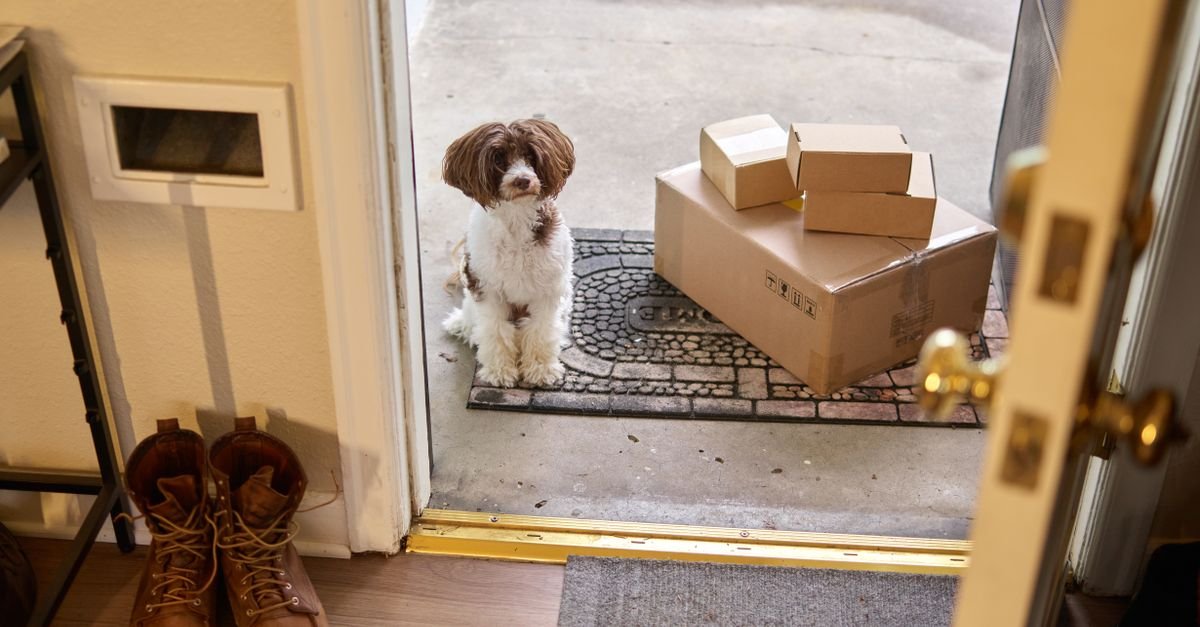
You do not need competition equipment to test whether your dog enjoys scentwork. A beginner home game can use ordinary treats and cardboard boxes. The American Kennel Club recommends beginning with easy searches and increasing difficulty gradually, rather than hiding food where the dog cannot succeed.[4]
- Choose three clean, open cardboard boxes and several pea-sized treats.
- Place one treat in a box while your dog watches, then release your dog with a consistent cue such as “find it.”
- When your dog investigates the correct box, praise and let the dog eat the treat at the box.
- Repeat several times, changing which box contains the treat.
- Once your dog understands the game, place the treat in a more discreet position or briefly ask your dog to wait in another room.
- End while your dog is still successful and interested.
Safety note: this beginner version does not require essential oils. If you later move into formal odor-based scentwork, keep odor materials contained and inaccessible. Never apply essential oils to your dog or allow licking or spills; concentrated oils can cause health problems, and the ASPCA specifically warns about direct exposure and ingestion risks.[5]
How to combine both activities in one week
A balanced routine might look like this:
- Three days: five-minute obedience sessions covering one or two practical skills.
- Two or three days: short scent games using treats, boxes, or easy household hides.
- Every day: reward calm behavior, useful choices, and voluntary check-ins during normal routines.
Keep a simple log for two weeks. Record the activity, session length, motivation, signs of stress or overexcitement, and how quickly your dog settles afterward. The better choice is usually the activity that your dog approaches willingly, can perform without escalating, and that you can repeat consistently.
Bottom line
Scentwork is not a replacement for obedience, and obedience is not the only meaningful form of training. Scentwork may provide richer searching and choice-making, while obedience is more directly useful for safety, manners, and everyday communication. Start with the problem you want to solve, use reward-based teaching, keep sessions short, and let your dog’s response guide the balance.
Sources
- Effects of scentwork and traditional training classes on dog welfare, behavior, and human-dog bond — Applied Animal Behaviour Science / Elsevier
- AKC Scent Work 101: What to Know About the Sport — American Kennel Club
- Position Statement on Humane Dog Training — American Veterinary Society of Animal Behavior
- How to Train For and Take the Virtual Scent Work Test — American Kennel Club
- The Essentials of Essential Oils Around Pets — ASPCA Animal Poison Control Center