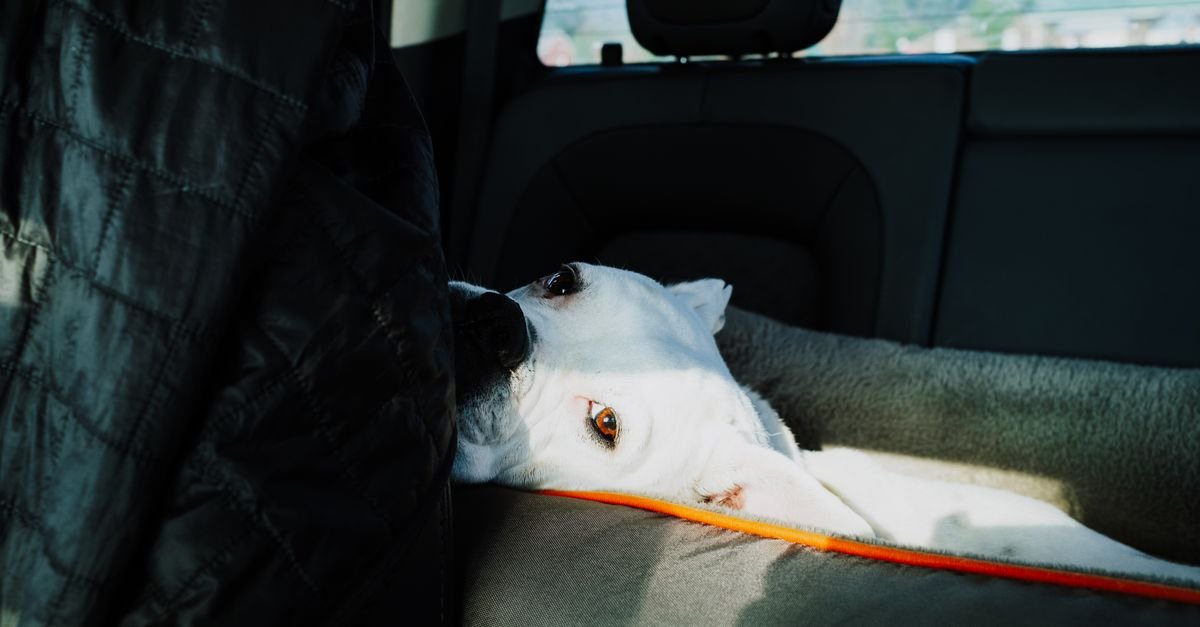
If your dog drools, vomits, whines, pants, paces, or refuses to approach the car, do not assume they are simply being stubborn. Common reasons include motion sickness, fear of the vehicle or its movement, an association between car rides and unpleasant destinations, or an underlying medical problem. The most helpful first step is to identify which pattern you are seeing, then train below your dog’s stress threshold.
For many dogs, improvement comes from a gradual plan rather than one long ride that forces them to “get used to it.” Some dogs progress in a few sessions; others need several weeks. If your dog repeatedly vomits, seems extremely distressed, or develops travel problems suddenly, contact your veterinarian before continuing. [1]
First, separate fear from motion sickness
These problems can overlap, but their timing offers useful clues.
| What you notice | What it may suggest | What to prioritize |
|---|---|---|
| Stress begins when you pick up keys, open the garage, or approach the parked car | Anticipatory fear or a negative association | Train around the car before driving |
| Your dog is calm while parked but begins drooling, lip-licking, pacing, or vomiting once the car moves | Motion sickness, possibly combined with anxiety | Short, smooth trips and veterinary guidance if needed |
| Your dog is comfortable until the destination becomes obvious, such as a veterinary clinic | Association with an unpleasant destination | Add frequent trips to enjoyable, low-pressure places |
| Your dog reacts to the crate, harness, engine, doors, or windows individually | A specific travel trigger | Introduce that trigger separately and gradually |
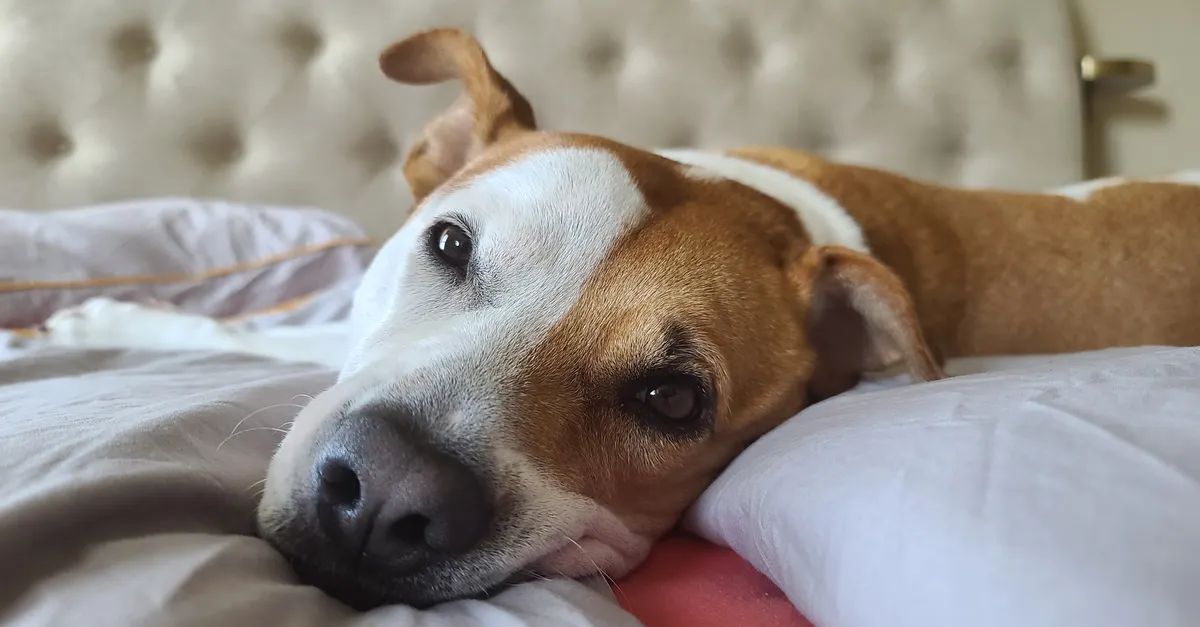
Common motion-sickness signs include excessive drooling, whining, lip licking or smacking, lethargy, restlessness, and vomiting. Puppies are particularly prone to motion sickness because their balance systems are still developing, although some adult dogs continue to struggle. [2]
A staged car-training plan
Use high-value rewards your dog can eat comfortably. Keep sessions short—often two to five minutes is enough at first—and stop while your dog is still relaxed. If your dog stops taking food, freezes, pants heavily, tries to escape, or becomes vocal, the step is too difficult. Return to an easier stage at the next session.
Stage 1: Reward calm behavior near the car
Begin at whatever distance allows your dog to notice the car without becoming distressed. Look at the vehicle, then offer a treat. Walk a little closer only when your dog remains loose and willing to eat. For a severely worried dog, this may mean starting several feet away.
Do not pull your dog toward the car or lure them into a situation they cannot handle. The goal is not merely to get closer; it is to teach your dog that being near the car predicts good things.
Stage 2: Approach, touch, and enter without driving
Once your dog can calmly approach, reward small actions such as standing beside the door, sniffing the vehicle, or placing one paw on the step. If your dog willingly enters, reward them immediately and let them leave again. Keep the doors open and avoid shutting your dog inside until they are comfortable entering.
If your dog uses a crate or travel harness, introduce that equipment inside the home first. The restraint should not become an additional surprise on the day of the first drive. A properly fitted, vehicle-appropriate restraint is essential, so include it in training rather than skipping it because your dog dislikes the equipment.
Stage 3: Close doors, sit in the car, and start the engine
Progress one change at a time. You might reward your dog for sitting in the stationary car, then for a door closing, then for you sitting in the driver’s seat. Later, start the engine for a few seconds and turn it off. Between repetitions, return to an easy activity your dog enjoys.
Do not advance simply because a certain number of days has passed. Move forward when your dog is consistently relaxed at the current stage. This may take days or weeks, depending on the dog’s history and the intensity of the reaction. [1]
Stage 4: Drive for seconds, then minutes
Begin with a very short movement—such as backing out and returning—then end the session if your dog remains comfortable. Next, try a trip around the block. Increase distance gradually rather than jumping from a successful five-minute ride to a one-hour journey.
Whenever possible, make early trips lead to something pleasant: a quiet sniffing walk, a favorite outdoor area, or another activity your dog already enjoys. If another adult is available, they can quietly reward calm behavior while the driver concentrates on the road.
Make the travel setup easier
- Secure your dog. Use a properly fitted vehicle restraint or a secured crate appropriate for your vehicle and dog. If you choose a harness, use one specifically designed for vehicle travel and check the manufacturer’s fit and attachment instructions; do not assume that an ordinary walking harness provides crash protection. Do not allow your dog to ride loose in the cabin, on the driver’s lap, or in the front passenger seat. [3]
- Keep the car cool and ventilated. Avoid letting your dog put their head outside the window, which can cause injury and creates a serious escape risk. [3]
- Limit visual overload. Some dogs settle better when they face forward or travel in a crate that reduces the view of rapidly passing scenery.
- Bring familiar items. A washable blanket or familiar-smelling bedding can make the space less strange. Choose toys that are safe for use without constant supervision.
- Plan breaks. On longer trips, stop periodically for a leash-secured bathroom break, stretching, and water. Never leave your dog alone in a parked car, even if the windows are partly open.
Food, exercise, and motion sickness
Avoid feeding a large meal immediately before travel. Ask your veterinarian how to plan meals and water if your dog has a history of vomiting, especially for a long trip or if your dog has another health condition. A gentle walk before departure may help some dogs settle, but strenuous exercise is not a substitute for gradual training.
If nausea continues despite shorter trips and a sensible setup, speak with your veterinarian. They can help determine whether motion sickness, anxiety, an ear or balance problem, or another medical issue may be contributing, and whether a prescription anti-nausea or anxiety treatment is appropriate. Do not give human medication or use leftover prescriptions without veterinary direction. [2]
When the destination is the problem
If every ride ends at the veterinarian or groomer, your dog may learn that the car predicts an unpleasant event. Keep necessary appointments, but balance them with short outings that end somewhere enjoyable. You can also practice arriving near a clinic, rewarding calm behavior, and leaving without going inside when your veterinarian agrees that this is appropriate.
For additional preparation around veterinary visits, see How to Prepare Your Dog or Cat for a Less Stressful Vet Visit.
A practical checklist before a longer trip
- Confirm that your dog can remain calm during several short practice drives.
- Use the same secure harness or crate during practice and travel.
- Pack water, a bowl, leash, waste bags, towels, cleaning supplies, medication prescribed for that trip, and familiar bedding.
- Plan safe rest stops and identify pet-friendly destinations before leaving.
- Feed according to your veterinarian’s advice rather than immediately before departure.
- Do not leave your dog unattended in the vehicle.
- If your dog begins showing escalating distress, pull over safely and reassess instead of pushing through.
For a dog who hates car rides, success does not have to mean loving every journey. A realistic goal may be entering willingly, remaining safely restrained, and completing necessary trips with less fear and nausea. Progress is more reliable when each stage is small enough for your dog to succeed.
Sources
- Teach Your Dog to Ride in the Car: Preventing Anxiety and Motion Sickness — American Kennel Club
- Motion Sickness in Dogs — VCA Animal Hospitals
- Road Trips and Car Travel With Your Dog — VCA Animal Hospitals