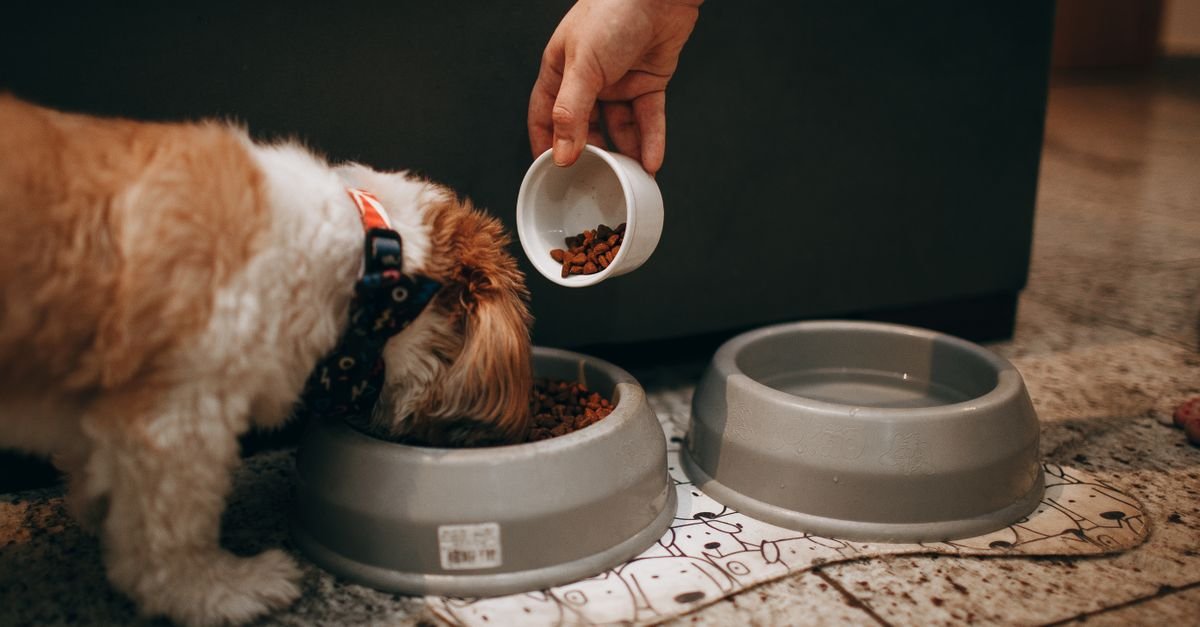
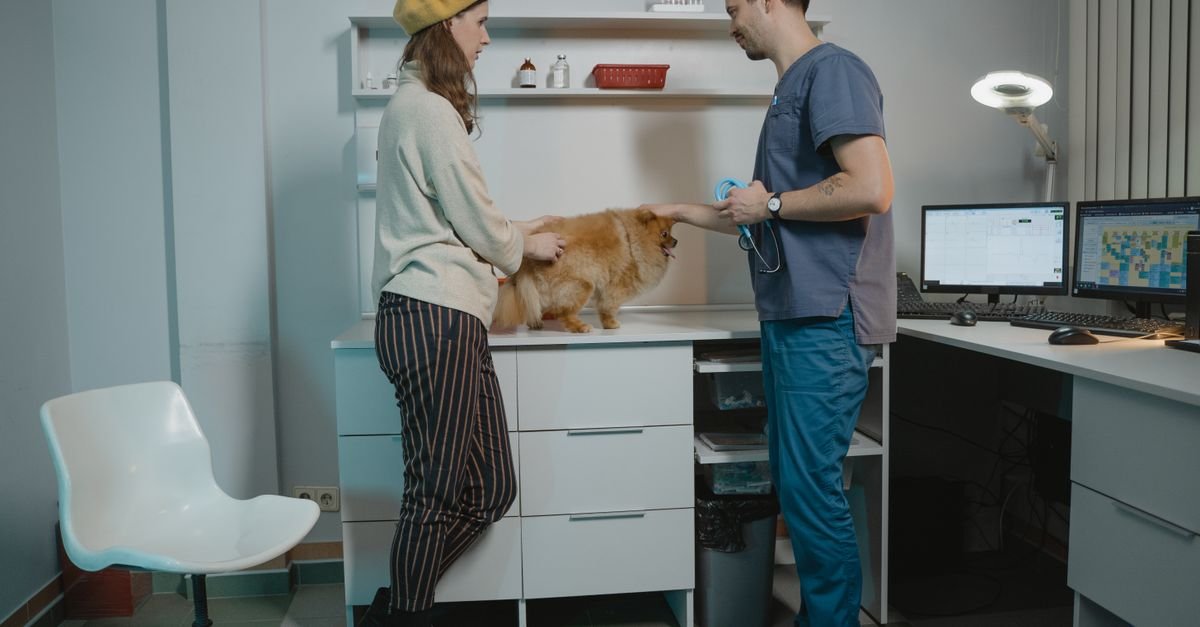
Your veterinarian checks your pet's temperature, pulse, and respiration at every visit. They should also be assessing nutrition—but that conversation depends on information only you can provide. The World Small Animal Veterinary Association (WSAVA) has developed tools to help veterinary teams address nutrition at every patient visit, yet many owners arrive without the feeding details needed to make that assessment meaningful.
What to Bring: The Core Feeding Facts
A complete diet history starts with specifics, not generalizations. The WSAVA provides a Short Diet History Form designed to collect critical information on pets' diets. At minimum, document the following before each visit:
- Exact product names and flavors of all foods, including kibble, wet food, and raw diets
- Daily portion sizes in measuring cups, grams, or ounces—not "a scoop" or "half a can"
- Meal frequency and timing, such as twice daily at 7 a.m. and 6 p.m.
- All treats, chews, and table scraps, which can add significant calories
- Supplements and toppers, including oils, powders, or vitamin additions
- Recent weight if you have a home scale, along with any changes in body condition
These details allow your veterinarian to calculate caloric intake and assess nutritional adequacy.
Why Ingredient Lists Aren't Enough
Many owners focus on ingredient lists when selecting food, but the WSAVA notes that ingredient lists give no information on quality and can be misleading about overall food quality. Your veterinarian needs to know the manufacturer, the product line, and whether the food meets established nutritional standards—not just whether it contains chicken or salmon. Bring packaging or product names, not assumptions about quality.
Tracking Changes and Reactions
Consistent tracking transforms subjective observations into objective, actionable data and provides invaluable history for veterinarians when health issues arise. Between appointments, monitor and record:
- Stool quality and frequency—firmness, color, and any mucus or blood
- Appetite changes, including decreased interest in previously accepted foods
- Visible body condition, such as rib visibility, waist definition, and abdominal tuck
- Coat and skin condition, noting dullness, shedding, dandruff, or hot spots
- Energy and behavior shifts that coincide with diet changes
Recording meals immediately after feeding and noting any adverse reactions creates a record you can share with your veterinarian. If symptoms like itching or loose stool follow specific ingredients, bring that pattern to your veterinarian's attention for evaluation. Do not attempt to diagnose food intolerances or allergies yourself.
Contact your veterinarian promptly if you observe blood in stool, persistent vomiting or diarrhea, significant appetite loss, or marked weight changes. These signs warrant professional evaluation rather than dietary experimentation at home.
Tools That Make Documentation Easier
Paper logs, spreadsheets, and dedicated pet nutrition apps all serve the same purpose: turning daily observations into longitudinal data. Digital tools offer search databases, barcode scanning, and automatic calorie calculations, while paper methods require no technology. Choose the system you'll actually use consistently.
For owners preparing for veterinary visits, having a printed summary of the past month's feeding—or a shareable digital log—speeds communication and ensures nothing is forgotten in the exam room.
When Nutritional Details Support Better Care
Vague dietary histories obscure connections between symptoms and feeding. A dog with chronic diarrhea may be eating three different treat brands, table scraps, and a grain-free food—but if the owner reports only "kibble and some treats," the veterinarian has less information to work with when developing a care plan.
Similarly, unexplained weight changes can be better understood once total daily caloric intake—including treats, chews, and training rewards—is calculated. Comparing actual weight changes against logged calorie intake gives your veterinarian useful data for recommendations.
Making Nutrition Part of Routine Care
The WSAVA has developed tools to help veterinary teams address nutrition at every patient visit and advance the veterinary team's role as the expert source of nutrition information. But accurate assessment depends on owner-provided data. Arriving prepared with feeding facts—not approximations—supports thorough nutritional screening.
If you're unsure what your veterinarian needs, ask at the next wellness visit whether they use a diet history form or prefer a specific format. Many practices appreciate a one-page summary listing current foods, portions, feeding schedule, and any recent changes or concerns.
Sources
- Global Nutrition Guidelines — World Small Animal Veterinary Association
- How to Document and Track Your Pet's Progress on a Carnivore Diet — Animal Start
- How to Use Pet Nutrition Apps to Record and Analyze Your Pet's Food Preferences — Animal Start