
A useful diet history for your dog covers everything your pet eats: main food, treats, chews, table food, supplements, and foods used to give medication.[1] Writing down feeding details before your visit gives your veterinarian the information needed to assess whether your dog's intake fits their needs.
What to Bring: A Feeding-Information Checklist
Write down the product name, the usual amount, and how you measure it.[1] Include treats, chews, table food, supplements, and anything used to give medication.[1] The whole intake matters for your veterinarian's assessment.
Photographs of the packaging and measuring scoop can make the conversation more specific.[1] Note which details you do not know rather than guessing.[1]
Bring a complete diet list, including treats, chews, and supplements.[2] Package photos and the usual measured amounts can help you explain what your dog receives.[2]
A practical checklist for your dog includes:
- Product names for main food, treats, chews, and supplements
- How much you feed and how you measure it
- Feeding schedule and frequency
- Who feeds the dog if multiple people are involved
- Photos of packaging and measuring tools
- Recent changes to any part of the diet
Label Information Your Veterinarian Will Ask About
Check labels for nutritional adequacy, life-stage suitability, and calorie information rather than marketing language alone.[1] These details help frame a conversation about whether a food fits an animal's needs. Ask your veterinarian what the adequacy statement means for your dog and whether the food is intended for the relevant life stage.[1]
If you are evaluating foods, useful questions for a manufacturer include who formulates the food, what qualifications that person has, and how product quality is checked.[1] Using WSAVA's questions is not the same as a food being "WSAVA approved." A brand should not be given that label simply because someone has compared it with the guidance.[1]
Portion Sizes and Measurement Methods
Feeding guidelines on bags are just starting points—they often overestimate calorie needs.[3] Measure portions using a kitchen scale or a cup made specifically for pet food.[3]
Record how you currently measure—whether you use the scoop that came with the food, a standard measuring cup, or eyeball the amount. If you feed multiple times per day, note the schedule and whether portions vary.
What to Ask During the Appointment
Once your veterinarian reviews your dog's diet details, ask:[1]
- How should I measure the daily amount and account for extras?
- What should we monitor, and when should we review the plan?
Keep the answers with your diet notes so the next appointment can assess what changed.[1] A brief timeline of changes is easier to discuss than trying to remember everything at the desk.
Before Your Feeding-Focused Appointment
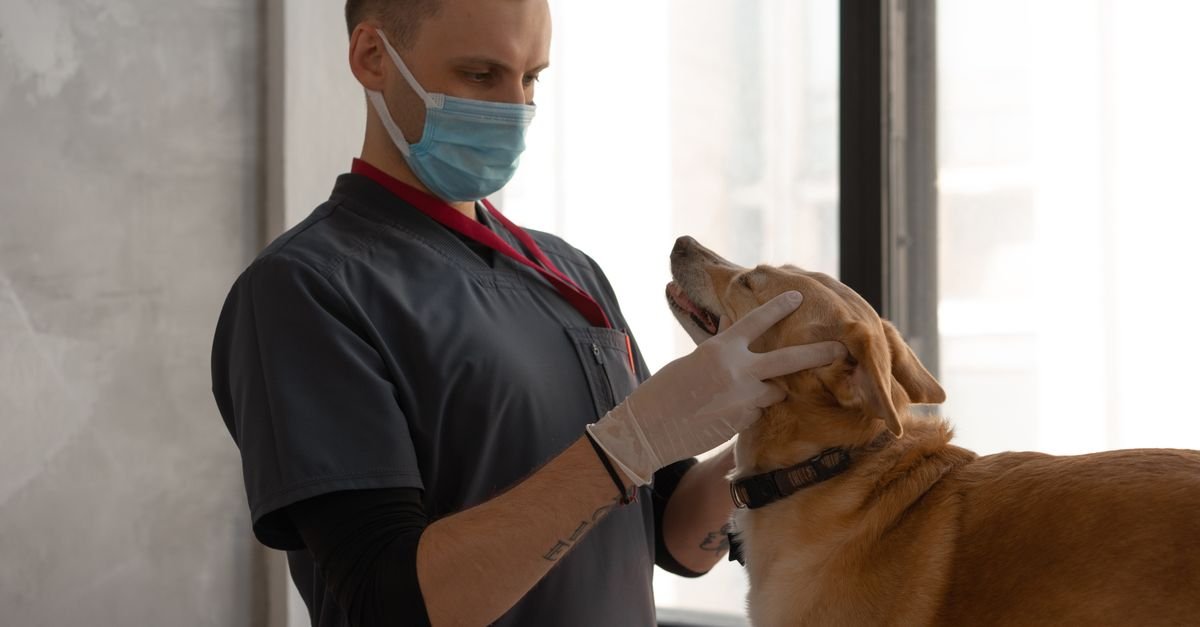
Call the practice first to confirm any instructions about food or samples.[2] Write down your main feeding concern first. Note when you noticed it, what has changed, and anything that seems connected.[2] For more on first visits and ongoing preventive care, see our related guides.
Tracking your dog's complete diet before each visit helps your veterinarian make informed feeding recommendations.
Sources
- Dog feeding basics: questions for your veterinarian — Veterinarians.org
- Preparing for your dog's veterinary visit — Veterinarians.org
- Top Questions to Ask Your Vet About Nutrition and Diet Plans — AnimalStart