According to a 2022 Association for Pet Obesity Prevention survey, 60% of cats and 59% of dogs in the U.S. are overweight or obese.[1] Yet many owners don't realize their pet is carrying excess weight until a veterinarian brings it up. The challenge is that weight alone doesn't account for differences in frame size, muscle mass, or breed characteristics. A 60-pound dog might be perfectly lean or significantly overweight depending on build.[2]
That's why veterinarians use body condition scoring, a hands-on method that evaluates fat coverage and body shape rather than relying on the scale. Once you know what to look and feel for, you can monitor changes at home and catch problems early.
What Body Condition Scoring Measures
Body condition scoring (BCS) evaluates how much fat a pet is carrying by examining specific body areas.[2] Most veterinary teams use a 9-point scale. Lower numbers indicate too little body fat, the middle range indicates healthy condition, and higher numbers indicate excess body fat.[3]
For most dogs and cats, the goal is a score of 4 to 5. A score of 6 to 7 indicates overweight, while 1 to 3 indicates underweight and warrants veterinary attention.[2]
The Three At-Home Checks
A home assessment isn't meant to replace a veterinary exam, but it helps you notice trends before they become harder to manage.[3] The assessment has three parts:
Feel the Ribs
Run your hands along your pet's side. In a pet at ideal body condition, you should be able to feel each rib distinctly with light pressure, similar to running your fingers over the back of your hand.[2] If you have to push hard to feel the ribs, your pet may have excess fat. If the ribs are too prominent with no pressure needed, your pet may be underweight.[1]
Look From Above
Stand above your pet and look down at their body. At ideal body condition, you should see a visible narrowing behind the ribcage—a defined waist.[2] If your pet's back is "broad and flat like a footstool" with no definite waist, she is likely overweight.[1]
Check the Profile
Stand next to your pet and look at the profile as she stands naturally. A healthy pet often has an abdominal tuck, meaning the belly rises slightly behind the ribcage instead of hanging low.[3] A stomach that hangs low and appears bulging or sagging may indicate overweight,[1] though this observation should be assessed alongside ribs and waist rather than alone.
No single indicator tells the whole story. A dog with prominent ribs but a clearly rounded belly may be losing muscle while retaining fat, which is a different concern than straightforward overweight.[2] Looking at all three areas together gives you a more complete picture.
Why Weight Status Matters
The diseases seen in overweight pets are strikingly similar to those in overweight people, including Type 2 diabetes, osteoarthritis, high blood pressure, kidney disease, and heart and respiratory disease.[1] In dogs, obesity increases risk of joint disease, certain cancers, reduced immune function, and shorter lifespan.[2]
In cats, the risks include hepatic lipidosis, a serious liver condition that can develop in overweight cats that stop eating even briefly. Feline diabetes is strongly associated with obesity and may be managed or reversed with weight loss under veterinary guidance.[2] Indoor cats are typically less active and more likely to be overweight than outdoor cats.[1]
Being too thin is also a health concern. Unintended weight loss can signal underlying disease, including dental pain, gastrointestinal conditions, thyroid dysfunction, cancer, and other systemic illness.[2] A dog or cat who normally enjoys eating but suddenly shows lack of appetite should be seen by a veterinarian promptly, as this can indicate a serious health problem.[1] Unexplained weight loss also warrants prompt veterinary contact. This is particularly urgent for cats, who can develop hepatic lipidosis when they stop eating.[2]
When to Talk to Your Veterinarian
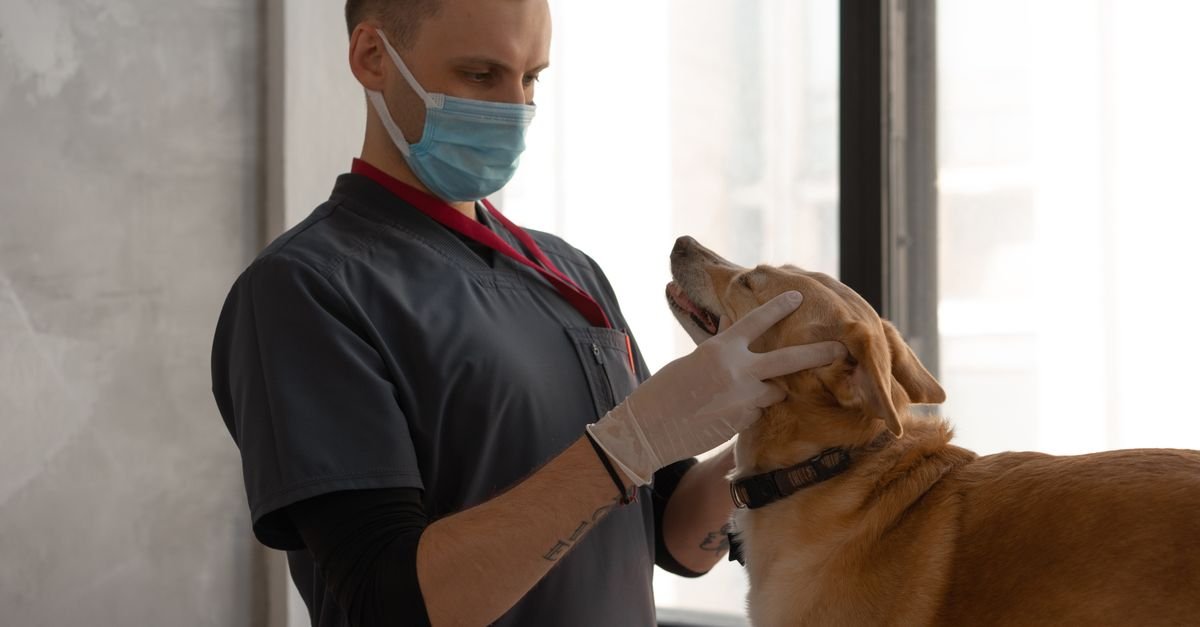
Your veterinarian tracks changes over time in a way that you—who sees your animal every day—may not.[1] There's a good reason why your pet gets weighed at every vet visit. The owner and veterinarian should discuss the pet's weight at every exam.[1]
If your home assessment suggests your pet is above or below the ideal range, schedule a veterinary visit so your veterinarian can confirm the body condition score, rule out any underlying medical contributors to weight changes, and develop a specific plan for your pet's situation.[2] Your veterinarian can also advise whether it's appropriate to keep weight on the low side for pets with osteoarthritis, large and giant dog breeds, or dog breeds predisposed to orthopedic problems.[1]
Body condition changes over time. Making weight management part of your everyday routine—measuring food, tracking treats, keeping meals consistent, and checking body condition regularly—helps you notice changes before they become more difficult to address.[3]
Sources
- Is My Dog or Cat a Healthy Weight? Important Questions to Ask the Vet — U.S. Food and Drug Administration
- How to Tell If Your Pet Is at a Healthy Weight: A Guide to Body Condition Scoring — Modern Animal
- How to Tell If Your Pet Is a Healthy Weight — Riverstone Veterinary Group