
Meeting your dog's welfare needs goes far beyond providing food and walks.[1] A structured self-audit can help reveal gaps in your routine.
Veterinary behavior researchers adapted Maslow's hierarchy of human needs into a Dogs' Hierarchy of Needs, identifying 37 specific dog needs grouped into seven categories across five levels.[2] The framework follows a central principle: lower needs come first. A dog that is hungry, in pain, or frightened has little capacity to learn, play, or bond.[3]
The following five-pillar framework is an editorial simplification inspired by this research and published welfare guidance, organized as a practical self-audit tool for daily care.
Pillar One: Nutrition
Dogs need a balanced diet tailored to their life stage, with constant access to clean fresh water.[1] Puppies and kittens need food for growth, adults need maintenance, and seniors often need adjusted nutrient levels.[3]
Self-audit questions:
- Does your dog's food match their current age, size, health status, and activity level?
- Have you reviewed their diet as they've aged or as their lifestyle has changed?
- Does your dog have constant access to clean water, including during exercise and hot weather?[1]
If your dog is gaining or losing weight unexpectedly, contact your veterinarian. Many practices have vet nurses trained in nutrition who can provide practical guidance.[1] You may also find it helpful to track your dog's food intake for veterinary discussions.
Pillar Two: Exercise and Physical Health
Dogs generally need 30 minutes to two hours of daily exercise, depending on age, breed, size, and overall health.[1] Young working breeds need far more activity than seniors or flat-faced breeds that overheat easily.[3]
Self-audit questions:
- Does your dog receive appropriate daily exercise for their individual needs?
- Are you monitoring for signs of too little exercise (weight gain, lethargy, restlessness, excessive barking, destructive behavior) or over-exercise (limping, stiffness, reluctance to move, excessive panting)?[1]
- Does your routine include variety—on-lead walks, off-lead activities, and new environments with different smells, textures, and sounds?[1]
Building a daily schedule can help ensure exercise happens consistently.
Pillar Three: Medical Attention
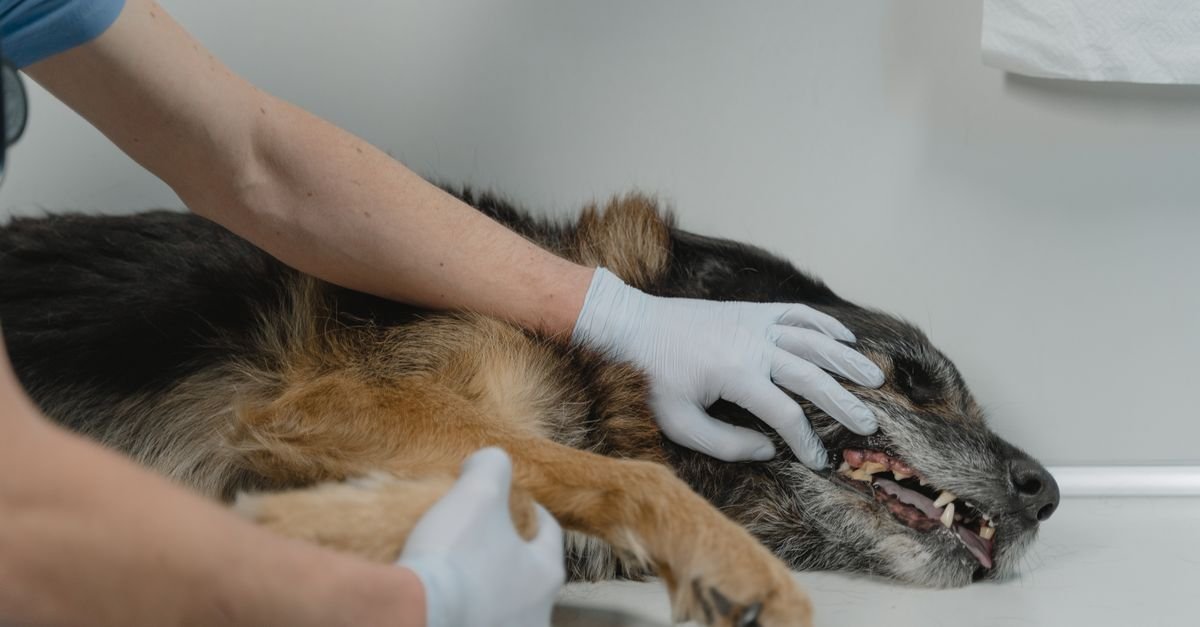
Preventive health care is a foundation-level need. AAHA's Canine Life Stage Guidelines emphasize vaccination protocols, screening for early signs of chronic conditions, and regular dental care to prevent periodontal disease.[4] Thorough physical exams should include five vital assessments: temperature, pulse, respiration, pain, and nutritional assessment (including body weight and body condition score).[4]
Self-audit questions:
- Is your dog current on vaccinations and preventive care appropriate for their life stage?
- When was their last veterinary exam?
- Have you addressed any emerging health concerns, such as limping, skin issues, or behavioral changes?
Consider setting up a recurring preventive care routine to avoid gaps in medical attention.
Pillar Four: Enrichment
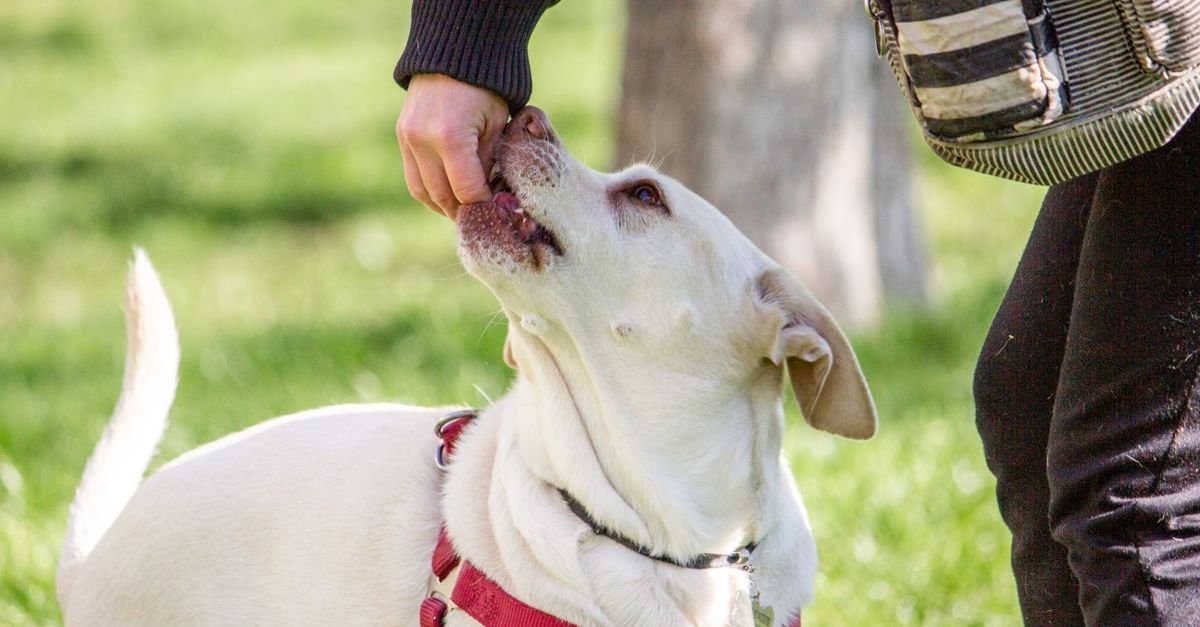
Enrichment sits at the top of the hierarchy: activities that let a dog express natural behaviors.[3] Puzzle feeders, scent games, and foraging give dogs a job to do. Feeding part of a meal through a puzzle toy turns eating into an activity within a measured feeding plan.[3] Food can also be used during training exercises to promote and reinforce desired behavior.[1]
Dogs need around 14 to 18 hours of sleep daily, with variation by age.[1] When not resting, appropriate enrichment activities—such as toys and brain games—keep them engaged and stimulated.[1]
Self-audit questions:
- Does your dog have access to puzzle feeders, scent games, or other enrichment toys suited to their age and size?
- Are you providing variety in daily activities—brain games, training exercises, and opportunities to explore new places?[1]
- Does your dog have a safe, comfortable resting area that reflects their sleeping preferences (stretched out or curled up)?[1]
Pillar Five: Social Connection
Social bonds and companionship fall under the "love and belonging" level of the hierarchy.[3] AAHA guidelines emphasize socialization techniques to promote positive behaviors and reduce anxiety, particularly during puppyhood.[4]
Self-audit questions:
- Does your dog have regular opportunities for socialization with people and, if they enjoy it, other dogs?[1]
- When visiting other households or taking your dog to work, do you ensure they have a safe resting area, access to water, and opportunities to stretch their legs?[1]
- Are you monitoring whether your dog is comfortable in the environments you bring them into, or would they be better off staying home in some situations?
Even well-socialized dogs may feel uncomfortable in noisy or crowded places, since a dog's hearing is much more sensitive than ours.[1]
Using the Audit
Work through each pillar and note where your routines are strong and where a small change might help. Humans often struggle to accurately recognize dogs' needs because they tend to confuse them with their own needs.[2] This framework provides a practical checklist based on published welfare guidance to help counter that tendency.
By ensuring positive experiences and met needs across all five areas—nutrition, exercise, medical attention, enrichment, and social connection—you can support your dog's welfare in daily life.[1]
Sources
- Meeting Your Dog's Welfare Needs — Guide Dogs UK
- The Adaptation of Maslow's Hierarchy of Needs to the Hierarchy of Dogs' Needs Using a Consensus Building Approach — MDPI Animals
- Cat & Dog Hierarchy of Needs — Hill's Pet Nutrition
- 2019 Canine Life Stage Guidelines — American Animal Hospital Association