Grooming isn't one appointment that resets your dog's coat for the next several weeks. [1] Brushing, bathing, nail trimming, ear care, dental care, and professional coat work each have different purposes, so combining them into one vague "grooming day" leaves important maintenance gaps.[1]
A sustainable routine separates grooming into daily, weekly, monthly, and seasonal layers.[1] Once you match those layers to your dog's coat, lifestyle, and tolerance, grooming becomes less of an emergency and more of a calm routine that prevents discomfort before it starts.
Daily Tasks: Quick Checks and High-Need Coats
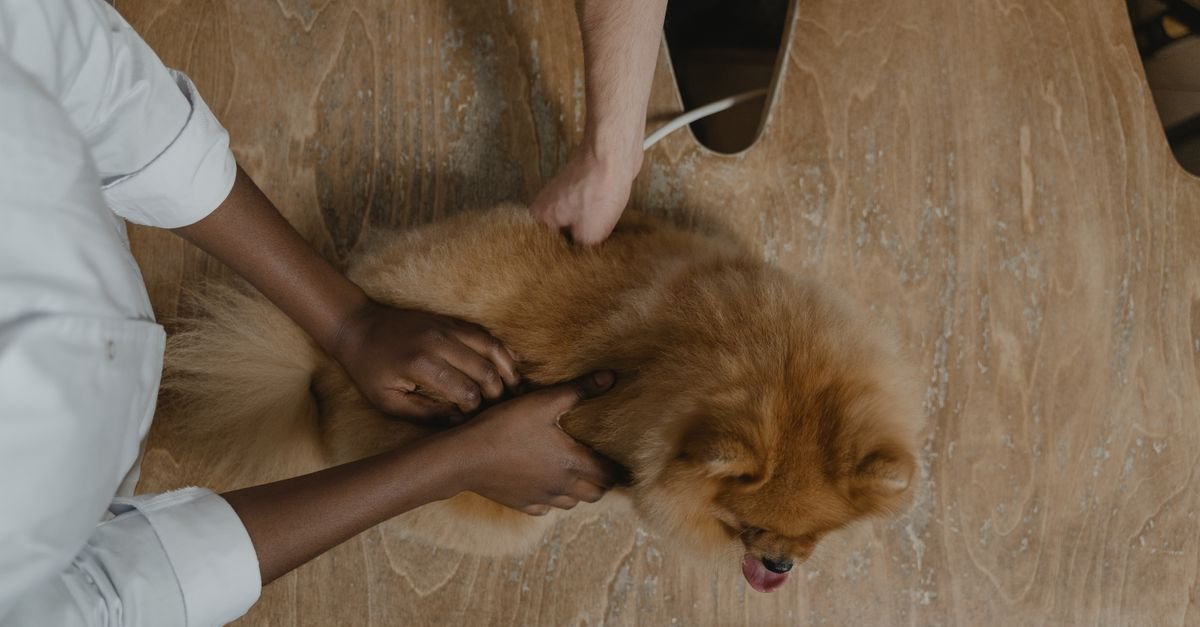
Every day, take a quick look at the coat, paws, eyes, and mouth.[1] You're checking for new tangles, debris, redness, unusual odor, or discomfort, not performing a full grooming session. A quick daily hand check around the ears, collar, armpits, tail, and hind legs can catch tangles before they tighten.[1]
Long-haired and curly-coated dogs may need daily brushing.[1] Daily brushing is often appropriate for long coats because small tangles can quickly become tight mats around the ears, collar, armpits, tail, and hind legs.[1] Curly coats do not shed loose hair out of the coat; they hold it in, and that trapped hair can felt into a solid mat against the skin within days.[2]
Teeth brushing works best as a frequent habit, ideally part of the daily routine when tolerated.[1] Dental disease is the most common health problem in adult dogs and the most preventable. Brush several times a week if you can, daily if you are able.[2]
Weekly Grooming: Coat Maintenance and Inspections
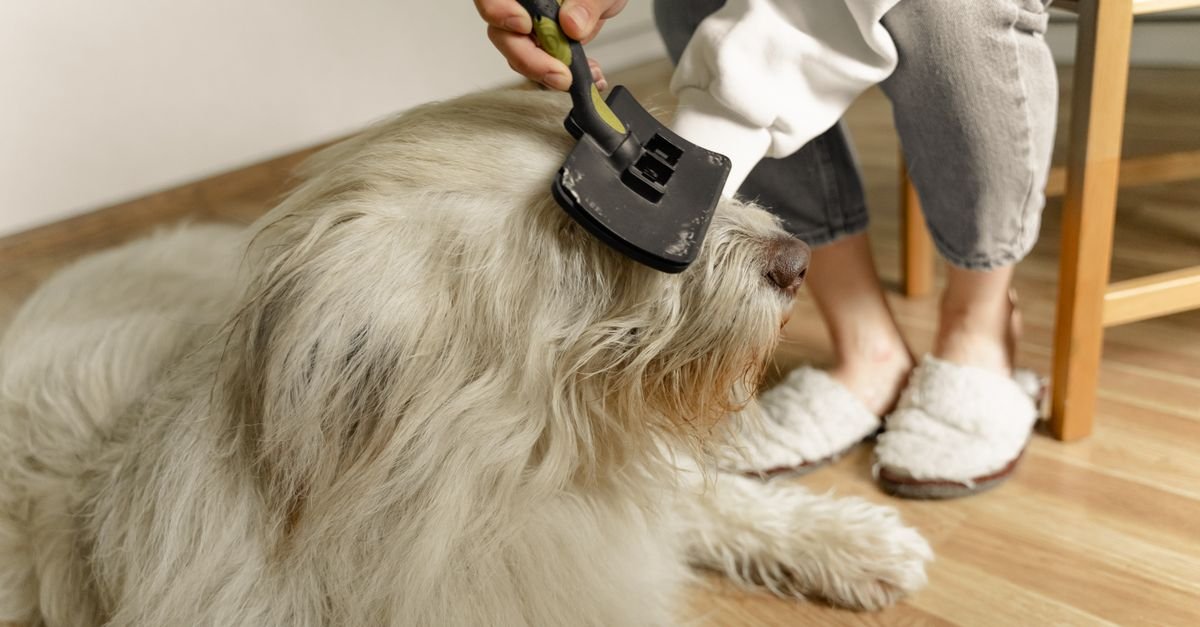
Short-coated dogs can often use a weekly brushing session.[1] Weekly brushing at minimum, daily on long and curly coats, prevents mats, spreads the skin's natural oils, pulls dead undercoat out before it packs down, and gives you a reason to run your hands over every inch of your dog often enough to notice a lump or a sore spot early.[2]
Wire-coated dogs need brushing 2–3 times per week.[1] Double-coated dogs have a protective outer coat and a dense undercoat and should be brushed several times each week, increasing to daily brushing during spring and fall shedding periods, when loose undercoat can accumulate quickly.[1]
Add a weekly eye check for discharge, redness, or hair rubbing against the eye.[1] Changes need veterinary advice rather than home treatment. Wipe away routine eye discharge with a damp cloth or a dedicated eye wipe, working from the inner corner outward, and use a fresh section for each eye.[2]
Monthly and As-Needed Tasks
Nails don't wait for the bath, and ears don't follow the haircut calendar.[1] Most dogs benefit from nail trims every 3–6 weeks.[3]
Bathing depends on the dog's coat and activity. Many bath routines stay around 4–8 weeks unless a dog is visibly dirty or has a skin problem.[1] Over-bathing can strip natural skin oils, so the most damaging grooming mistake is often assuming that more care is always better.[1] Most dogs benefit from baths every 2–8 weeks, depending on their coat type and lifestyle.[3]
Professional Grooming Intervals by Coat Type
Professional grooming intervals depend heavily on coat structure. Coat structure determines the starting point for your schedule.[1] Professional grooming can range from every 3–4 weeks for curly coats to every 8–12 weeks for short or double coats.[1] As well as regular at-home grooming sessions, most dog owners use a professional grooming service every 6–12 weeks, depending on their dog's individual needs.[3]
Professional groomers can use clippers, shears, dryers, de-shedding tools, and nail grinders with trained handling. They can also tell you when a coat has reached a condition that needs veterinary attention rather than more brushing.[1]
When to Adjust the Routine
Resistance matters. Dry skin, coat thinning, repeated scratching, sudden sensitivity, or a dog that abruptly refuses grooming can indicate that the routine needs adjustment or that a veterinarian should examine the dog.[1]
During spring and autumn, double-coated breeds blow their undercoat. Daily work with an undercoat rake or a dedicated deshedding brush through those few weeks keeps most of it out of your house and out of your dog's coat.[2]
A layered schedule keeps grooming manageable. Daily checks catch small problems, weekly care maintains the coat, monthly reminders cover less frequent tasks, and seasonal adjustments respond to shedding or weather.[1] Consistency matters more than perfection. Begin with the next brushing session, record the date, and add the next nail and professional grooming reminders while the routine is fresh.[1]
Sources
- A Complete Guide by Coat and Breed – Pet Magasin — Pet Magasin
- A Groomer's At-Home Guide — Petful
- 10 Vet-Reviewed Dog Grooming Tips To Try At Home — The Pet Lab Co
- Coat, Bath & Brush Guide — Viva Essence Pet