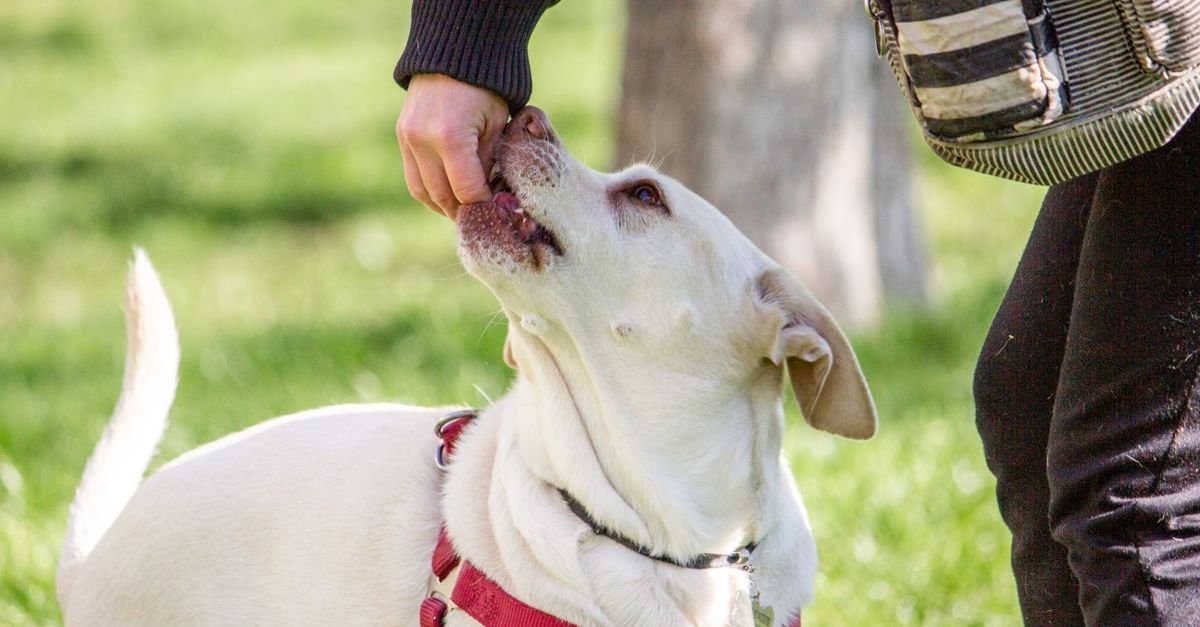
Positive reinforcement is anything added after a behavior that increases the likelihood that behavior will be repeated.[1] That definition sounds straightforward, but in practice many owners struggle because they're unclear about timing, markers, and what counts as a reward for their individual pet.
What Positive Reinforcement Actually Means
When your pet performs a behavior and immediately receives something it values, a positive relationship forms between the behavior and the consequence. The more the pet does the behavior, the more of the consequence it receives, and because what it gets is good, that behavior increases.[1] This is distinct from negative reinforcement, where a behavior increases because it removes something unpleasant.
Learning happens by establishing the relationship between behavior and consequences.[1] The challenge is that your pet is engaging in behaviors constantly, so you need to reinforce the exact behavior you want, not some other behavior that happens to occur nearby in time.
Timing Is the Mechanism
Reinforcement must immediately follow the behavior you want.[1] If there is any delay, you risk reinforcing a different behavior. For example, if you tell your dog to sit, the dog sits, but you say "good dog" and give a treat as the dog stands up or begins to bark, you have not rewarded the sit—you may have rewarded the stand, the bark, or the entire sequence of sit-stand-bark.[1]
Another common error occurs during house training: you send your dog outdoors to eliminate, and as soon as the dog finishes, you call the dog back inside, dry her feet, and give a reward. In that case, you just rewarded the dog for coming back into the house and having her feet dried, not for eliminating outdoors.[1]
Using a Marker Word or Clicker
A clicker or an audible tone can be paired with a food reward by consistently sounding it just prior to giving the food, until it becomes a conditioned stimulus for food.[1] The value of a clicker is that it can then be used to immediately mark correct responses in a convenient and precise manner, with the food being given shortly afterward. Clickers become a high-level reward for most dogs.[1]
The same principle applies to a verbal marker like "yes" or "good." Presenting a rewarding stimulus immediately after a desired behavior increases the likelihood that the behavior will be repeated.[2] A marker bridges the gap between the exact moment of the behavior and the delivery of the physical reward.
What Counts as a Reward
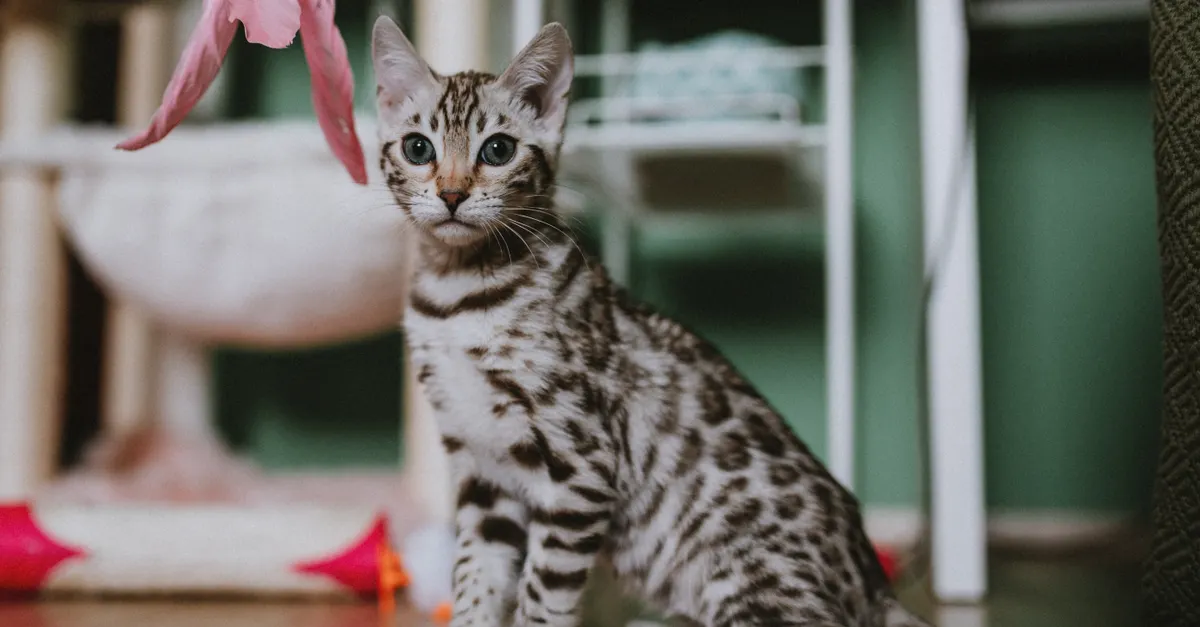
Dogs and cats differ in what they find reinforcing. For cats, food is often the best reinforcement, but many will enjoy play sessions with favorite toys as well.[1] Small tidbits of human food or special cat treats with high appeal may be more motivating than regular food. Train your cat with these treats before meals, not after, and feed your cat on a meal schedule rather than free choice so that he is hungry at training times.[1]
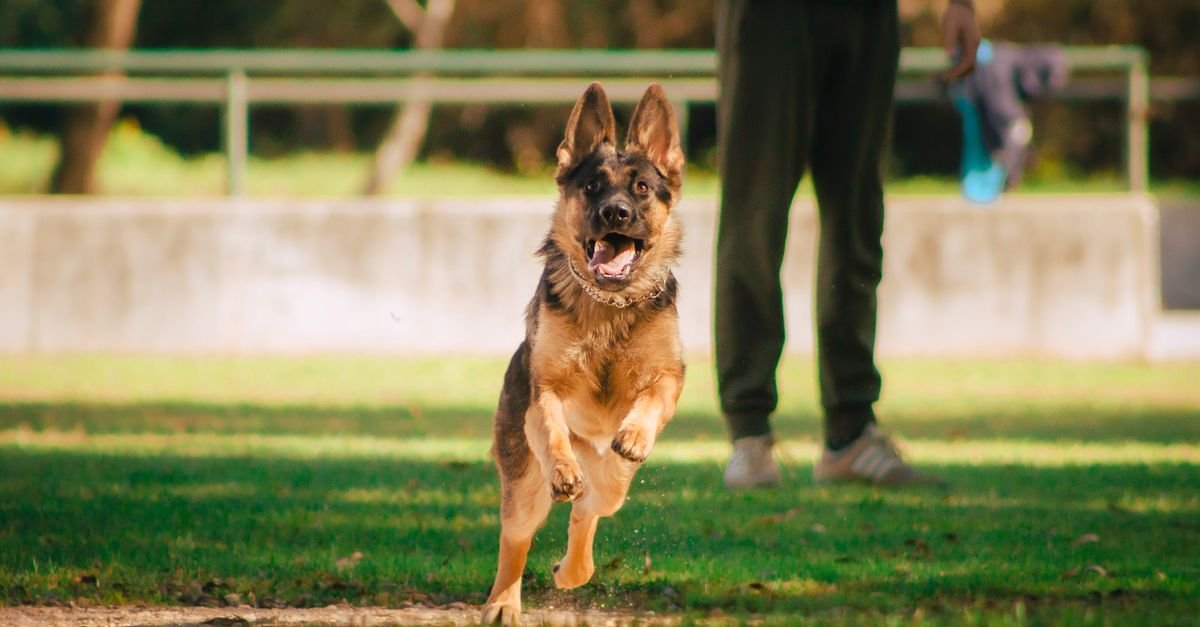
Cats respond to training like dogs, but they need reinforcement at a higher rate than dogs to maintain performance.[1] Dogs typically respond to a wider range of rewards, including food, praise, petting, and play, but individual preferences vary.
Continuous vs. Intermittent Reinforcement
When first teaching a new task, continuous reinforcement—rewarding every time your pet engages in the behavior—helps the animal learn that the task leads to a good outcome.[1] However, if you reward a behavior continuously over the long term, once you stop rewarding it, the behavior will often stop as well.[1]
Start training new commands with continuous reinforcement but switch to intermittent, variable rates as soon as your pet is responding consistently.[1] Once the behavior is learned, you can switch to lesser rewards such as petting or praise and give a more favored reward only intermittently.[1]
Household Cue Agreement
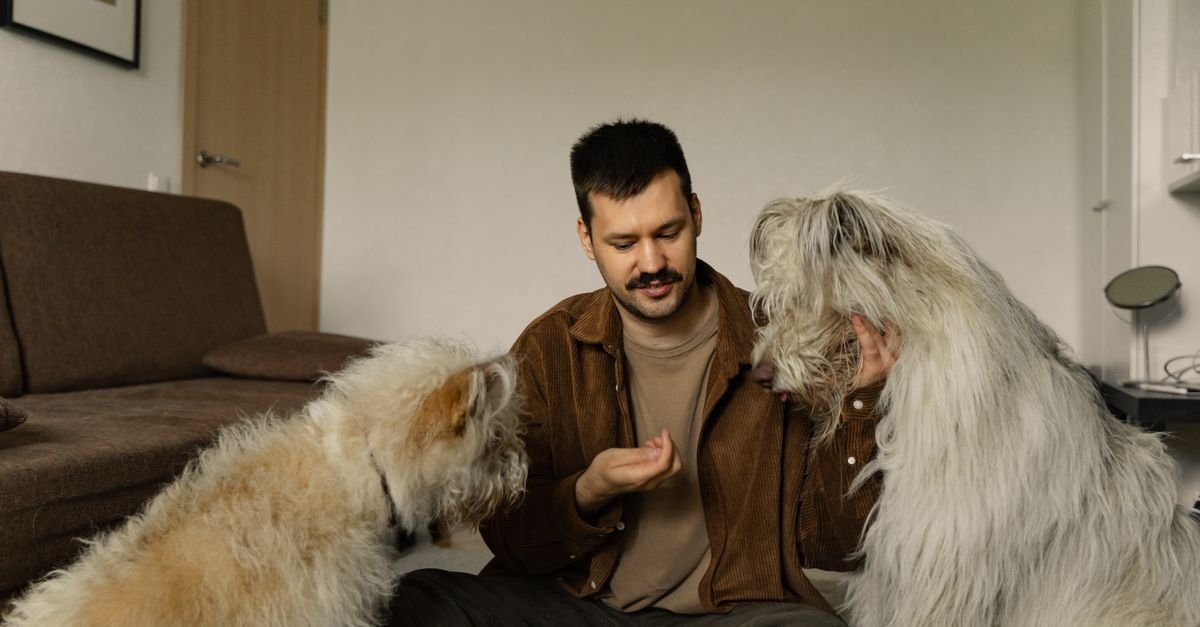
Every person in your household needs to use the same cue or command and deliver reinforcement at the same moment. If one person says "sit" and another says "sit down," or if one person rewards the sit while another rewards the stand-up, you will not build a reliable behavior. Consistency across all handlers is what allows the pet to form a clear association between the cue, the behavior, and the consequence.
Common Pitfalls
You can inadvertently reinforce behaviors you do not want.[1] Remember that positive reinforcement makes behavior increase, so if your timing is off or you're rewarding at the wrong moment, you may be teaching the opposite of what you intend. Before effective training can take place, you must understand how pets learn and how to use rewards effectively to achieve desirable behaviors.[1]
The goal of training is to teach the proper task and behavior. First, you must be able to get the pet to perform the desired behavior reliably. Then, add a cue or command prior to the behavior, so that it can be initiated by the command or cue alone.[1] Of course, rewards can and should be given for any behaviors that are desirable, not just those associated with commands.[1]
For species-specific training plans, see our guides on positive reinforcement for cats and teaching your dog to come when called.
Sources
- Using Reinforcement and Rewards to Train Your Pet — VCA Animal Hospitals
- How to Use Positive Reinforcement to Foster Dog and Cat Friendship — Animal Start