How Often Should You Feed Your Dog?
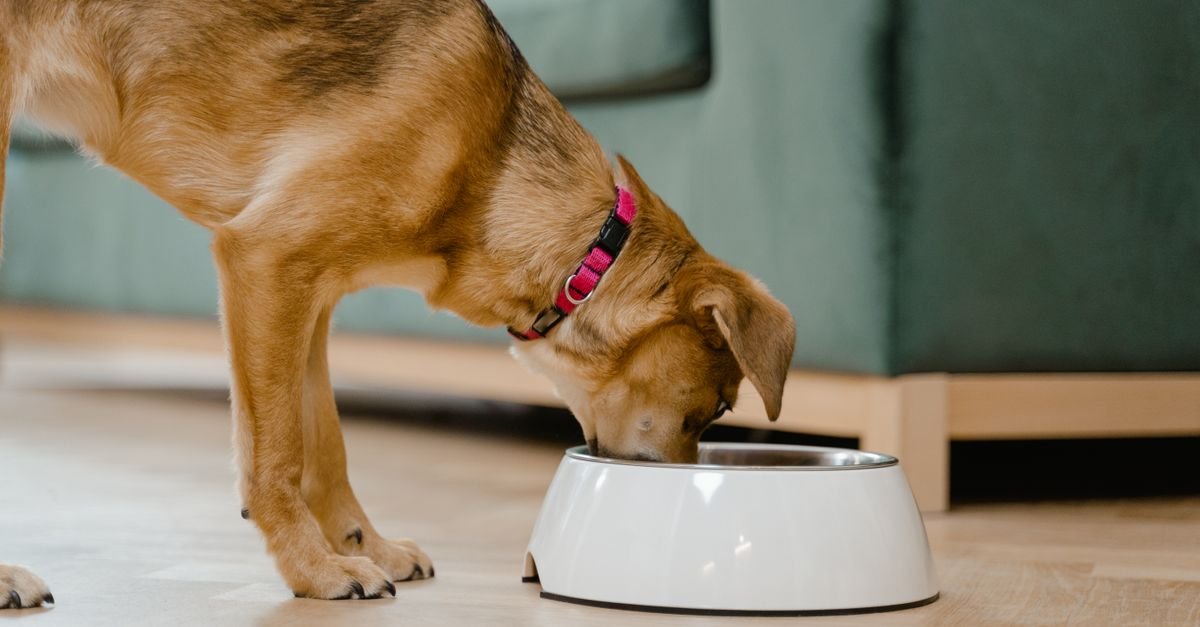
Most healthy adult dogs thrive on two meals a day.[1] This routine provides consistent energy throughout the day and supports a predictable schedule. Puppies, however, have smaller stomachs and higher energy demands, requiring more frequent meals to support growth.[1]
Feeding frequency isn't arbitrary. Your dog's age, size, activity level, and health status all influence how often meals should be served. Understanding these factors helps you create a routine that supports your dog's nutritional needs without overfeeding or leaving them hungry between meals.
Meal Frequency by Age
Age is the primary factor determining how many times your dog should eat each day. Younger dogs need more frequent meals to support growth and energy needs, while adults thrive on a more consistent routine.[1]
Puppies
Because puppies have small stomachs and high energy needs, they require more frequent meals and a higher calorie intake than adult dogs.[1] Ask your veterinarian or your puppy's food label for a specific meal count and portion size, since these depend on your puppy's breed, age, and expected adult size.
Adult Dogs
As your dog matures, their metabolism slows, and their feeding routine can gradually shift to fewer, more structured meals, typically two per day, morning and evening.[1] This schedule also makes it easier to coordinate with potty breaks and activity periods.
Special Circumstances
If your dog is recovering from illness, smaller, more frequent meals may be easier to tolerate, but your veterinarian should guide any changes to the feeding schedule.[1] Pregnant or lactating dogs have significantly higher nutritional needs and may require larger or more frequent meals, or a specialized diet, to support their health and their puppies' growth.[1] Spayed and neutered dogs typically require fewer calories than intact dogs because their metabolism slows slightly after the procedure.[1]
What Affects Meal Size and Frequency
Beyond age, several factors influence how much and how often your dog should eat:
- Size: Small breed dogs need more calories per kilogram of body weight compared to larger breeds, though bigger dogs consume more total food.[1]
- Activity level: Dogs who walk, run, or play more often burn more energy and may need larger meals or slightly more frequent feeding than dogs who live a more relaxed lifestyle.[1]
- Climate: Dogs in colder environments often need more calories because their bodies use extra energy to stay warm.[1]
- Diet type: Wet dog food can contain 80% water, while dry food has only 5–10% moisture, which affects both portion size and supplemental water needs.[2]
If you are tracking your dog's food intake for health reasons, documenting meal details can help your veterinarian make better recommendations.
Water Access Throughout the Day
While meal frequency is structured, water access should not be. Dogs need continuous access to fresh water. A lack of water can have immediate effects on a dog's mood and physical health, and the source that reports this also notes that prolonged dehydration can cause internal damage, and even death, in as little as 2–3 days.[2] That timeframe comes from one hydration guide rather than a universal clinical threshold, so treat consistent access to water as the daily goal rather than watching a countdown.
How Much Water Dogs Need
These volume guidelines are general starting points, not exact targets, since actual needs shift with food moisture, activity, weather, and the individual dog. Dogs should generally drink about one ounce of water per pound of body weight daily.[2] As a dietary ratio, dogs need roughly two to three times more water than food; for example, if your dog eats 1½ cups of food daily, they should drink 3–4½ cups of water.[2] Another guideline is approximately 1.0 to 1.2 milliliters of fresh water for every kilocalorie of resting energy requirement.[3]
Factors That Increase Water Needs
Several factors can increase your dog's water requirements beyond the baseline:
- Activity level: Exhaustive activity causes dogs to drink more to replenish lost water.[2]
- Weather: Hotter conditions cause dogs to lose more water.[2]
- Pregnancy and nursing: Pregnant and nursing dogs need more water to meet their puppies' needs.[2]
- Diet type: Dogs eating dry kibble need more supplemental water than those on wet food, since wet food already supplies much of its weight as water.[2]
Setting Up Water Access for Your Home
How you place water bowls matters as much as how much water your dog drinks. In a multi-level home, keep a filled bowl on each floor your dog spends time on, so a flight of stairs never stands between your dog and a drink. If your dog uses a crate during the day, attach a spill-resistant or crate-mounted water dish inside it for any stretch longer than an hour or two, and check it as often as you check a floor bowl. In a multi-dog household, provide more water stations than the number of dogs, placed in separate areas, so a more assertive dog cannot block access for the others, and so you can tell which dog is drinking from which bowl if you need to monitor intake. Refresh all bowls at least once daily regardless of location.
Monitoring Water Intake
If you are unsure whether your dog is drinking enough, refill your dog's bowl at the same time and to the same level each day, then compare how much is left at the end of the day to see if consumption changes.[2] If you notice a sustained increase or decrease in drinking, or any change in appetite, contact your veterinarian rather than waiting to see if it resolves on its own.
Building a Consistent Routine
Feeding your dog at consistent times each day helps regulate digestion, energy levels, and elimination patterns. Choose morning and evening meal times that fit your schedule and stick to them. This predictability also makes it easier to notice changes in appetite that may signal health concerns.
Too little food can lead to deficiencies, low energy, and poor overall health, while too much can contribute to weight gain and obesity-related conditions.[1] Keeping both meals and water on a reliable routine, and adjusting for your dog's age, activity, and home setup, is one of the most useful daily habits for supporting your dog's health.
Sources
- How Many Times Should a Dog Eat? — Pedigree
- How Much Water Should a Dog Drink a Day? Vet-Approved Hydration Guide — Dogster
- Accurate Pet Calorie Counter & Intake Tracker — Pet Calorie Count