When your dog ignores the treat in your hand or jumps on guests despite weeks of practice, it's easy to conclude that positive reinforcement doesn't work for your pet. The reality is different: behavior that gets rewarded is more likely to repeat, but only when the consequence actually motivates your dog and the training setup supports learning.
Here's how to diagnose what's breaking down.
The Reward Isn't Valuable Enough
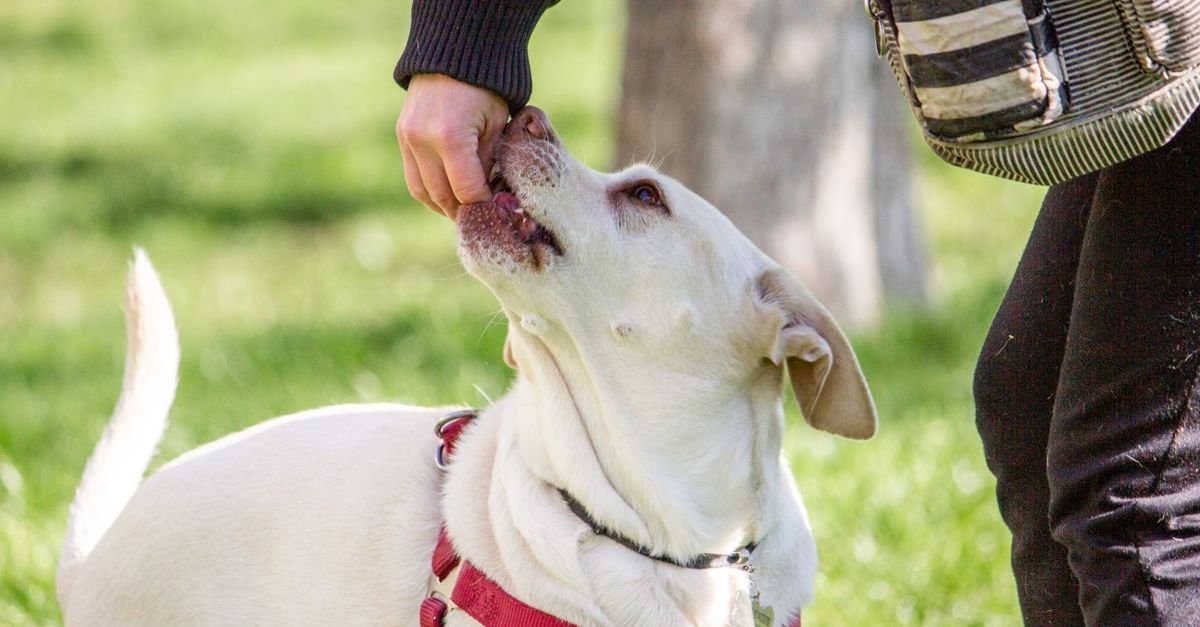
Positive reinforcement works when the consequence motivates your dog to repeat the behavior. But not every dog finds the same things reinforcing. A plain kibble piece may work in your quiet kitchen but fail completely at the park. High-value treats such as cheese, hot dog pieces, deli meat, or blue cheese crumbles function as stronger currency for difficult behaviors or distracting environments.
Your Rate of Reinforcement Is Too Low
Keep training sessions short—one to two minutes—so your dog doesn't need a break mid-session.
You're Training in Too Distracting an Environment
Positive reinforcement relies on building behavior gradually, not testing it too soon. Start training in low-distraction spaces before moving to harder environments.
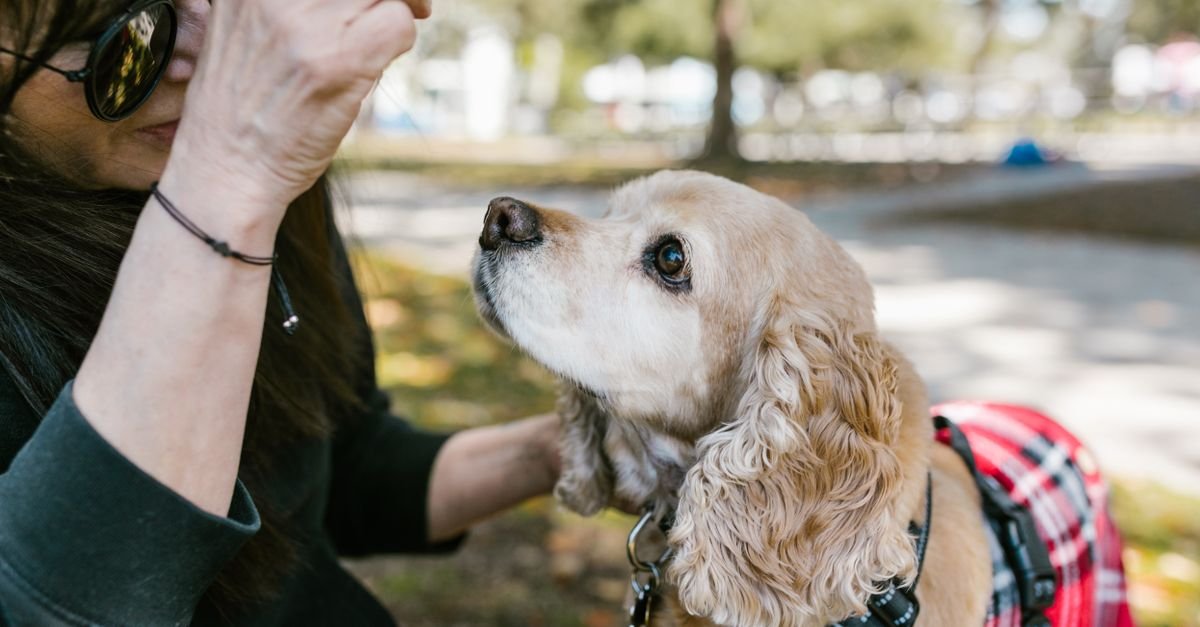
Dogs also ignore treats due to stress. When you're worried about a new environment or distractions, you're not hungry. When dogs refuse treats, move them away from what is worrying them before resuming practice.
Reinforcement Isn't Consistent
You're Fading Treats Too Quickly
Your Dog's Basic Needs Aren't Met
When the Method Itself Reaches a Limit
For severe behavioral cases, consult a certified professional dog trainer or veterinary behaviorist who can assess whether your dog needs a structured behavior modification plan beyond basic reward training.
Troubleshooting Checklist
Before concluding that positive reinforcement doesn't work for your dog, verify:
- The reward is high-value enough for the context
- You're rewarding frequently enough during learning
- The environment isn't too distracting yet
- Training is applied consistently
- You haven't faded treats too early
- Your dog's exercise, mental stimulation, and anxiety levels are managed
- Your dog isn't over threshold (stressed, aroused, or flooded)
Positive reinforcement works when the setup supports learning. Adjust these variables to identify where the breakdown is occurring.
Sources
- Positive Reinforcement Dog Training Not Working? — Chicago Dog Trainer
- When Positive Reinforcement Doesn't Work — Animal Behavior College
- When Positive-Only Training Plateaus, What Comes Next — Partners Dogs